

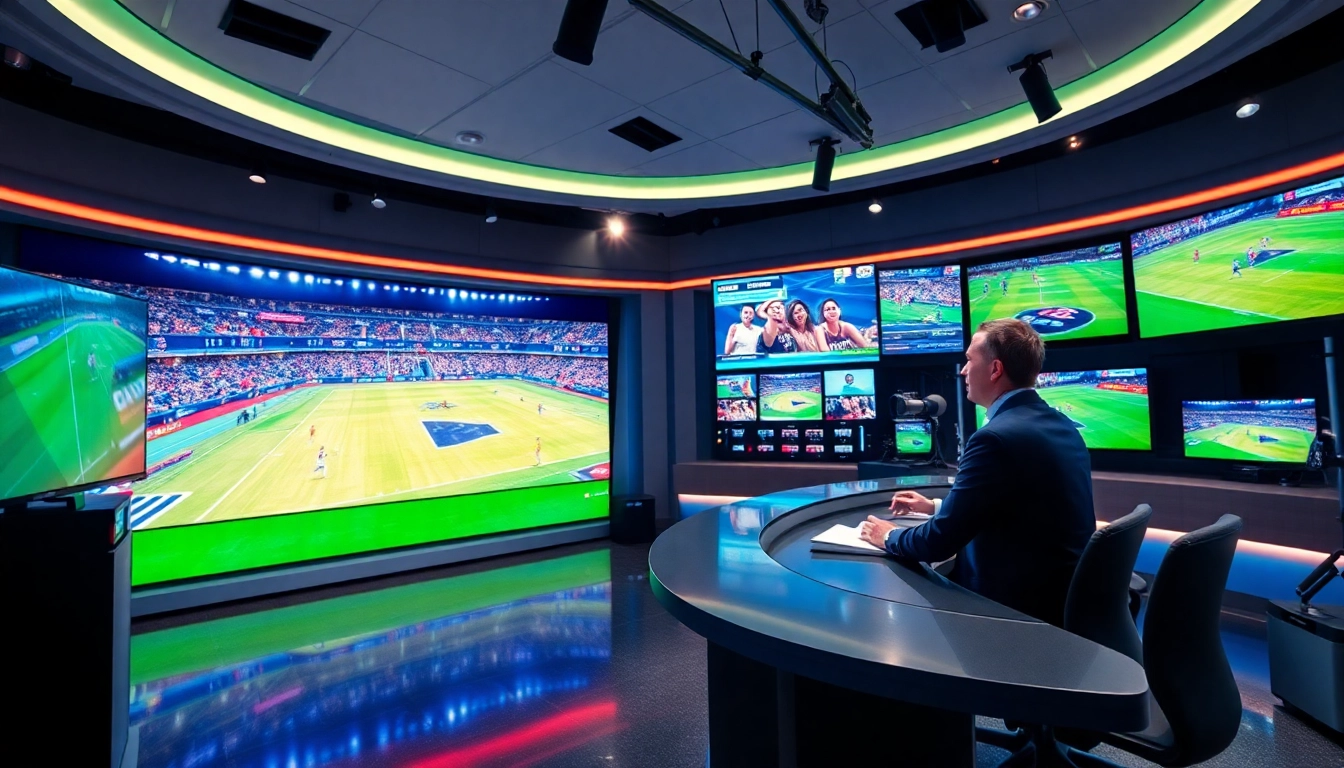
The Basics of Sports Broadcasting
Understanding Sports Broadcasting
Sports broadcasting serves as the critical bridge between athletic events and fans. It encompasses the live and recorded transmission of sports content via various media channels, including television, radio, and digital platforms. The essence of this industry lies in providing audiences with real-time access to sporting events, highlights, analysis, and commentary. An understanding of Sports Broadcasting requires familiarity with the technologies, formats, and regulatory frameworks that shape its landscape.
The Role of Technology
Technology has revolutionized how we consume sports. From the first radio broadcasts to the high-definition video streams common today, advancements have expanded audience reach and improved engagement. Innovations such as digital streaming, augmented reality (AR) overlays, and artificial intelligence (AI) for data analysis play pivotal roles. AI, for instance, can personalize viewing experiences, making recommendations based on viewer preferences. Furthermore, the rise of 5G technology promises lower latency, enhancing live broadcasts and enabling instant viewer interactions.
Types of Sports Broadcasting
Sports broadcasting can be categorized into several types based on format and medium:
- Live Broadcasting: Real-time coverage of events, often featuring play-by-play commentary.
- Recorded Broadcasting: Includes replays and edited highlights, allowing viewers to catch up at their convenience.
- Interactive Broadcasting: Engages viewers with real-time statistics, polls, and social media integration.
- Streaming Services: Platforms like OTT (Over-the-Top) services provide a range of sports content directly to consumers, bypassing traditional cable subscriptions.
How Sports Broadcasting Has Evolved
Historical Perspectives
The history of sports broadcasting dates back to the early 20th century when live radio broadcasts first brought sports directly to the public. Major milestones in this evolution include the introduction of television broadcasts in the 1940s and the transition to color broadcasts in the 1960s, increasing the appeal and accessibility of sports events. These developments set the groundwork for modern sports broadcasting, highlighting the medium’s ability to connect fans with their favorite sports in unprecedented ways.
The Shift to Online Platforms
In recent years, there has been a significant shift towards online platforms. This transformation has been driven by changing consumer behavior, particularly the growing demand for on-demand content. Services like subscription-based streaming platforms have emerged as the preferred viewing choice for many. This shift not only enhances accessibility for fans around the globe but also introduces competitive pricing models which challenge traditional broadcasting norms, allowing for more niche sporting events to find their audience.
Future Trends in Sports Broadcasting
Looking ahead, several trends are set to shape the future of sports broadcasting. The integration of virtual and augmented reality will offer immersive viewing experiences, while personalized content delivery will cater to individual preferences, enhancing fan engagement. Additionally, advancements in machine learning may enable more precise analytics that can guide content creation and broadcasting strategies. Furthermore, as esports continue to gain traction, traditional sports broadcasters may seek collaborations or diversifications into this burgeoning niche.
Challenges in the Sports Broadcasting Industry
Regulatory Hurdles
The sports broadcasting industry is subject to numerous regulations that can present challenges for broadcasters. Copyright laws governing the transmission of live sports events remain an ongoing concern. Broadcasters must navigate contracts with leagues and teams, often involving complex negotiations for rights that can vary by geographic region. Moreover, as broadcasting platforms continue to evolve, staying compliant with changing regulatory landscapes becomes increasingly challenging.
Transitioning Audiences
As audiences increasingly favor digital platforms over traditional cable television, broadcasters face the challenge of transitioning their audience effectively. The influx of younger viewers who consume content via mobile devices necessitates innovative strategies to capture their attention. This transition requires broadcasters to invest in engaging and relevant digital content while adapting to new viewing habits and preferences, ensuring they remain competitive and relevant in a crowded marketplace.
Technology Adoption
The fast pace of technological advancement presents both opportunities and challenges for sports broadcasters. While adopting innovative solutions can enhance production quality and viewer engagement, the need for continuous investment in new technologies can strain budgets. Ensuring teams are equipped with the right skills to utilize advanced broadcasting technologies further complicates the equation, requiring ongoing training and development initiatives to keep pace with industry standards.
Best Practices for Effective Sports Broadcasting
Engaging Your Audience
Effective sports broadcasting hinges on audience engagement. Broadcasters should leverage interactive technologies to enhance viewer participation, such as incorporating social media feedback during live events and fostering community discussions about broadcasts. Offering behind-the-scenes content, exclusive interviews, and interactive elements can significantly improve viewer loyalty and satisfaction, encouraging an emotional connection with the sport.
Content Quality and Production Values
High production values are paramount in sports broadcasting. This includes investing in state-of-the-art cameras, sound equipment, and broadcasting technologies to deliver a polished and professional viewing experience. Additionally, content creators should prioritize storytelling that resonates with viewers, focusing on athlete narratives, team dynamics, and pivotal moments to deepen audience involvement with the broadcast.
Data-Driven Decisions
Utilizing data analytics to inform broadcasting strategies is essential. By analyzing viewer demographics, preferences, and behaviors, broadcasters can tailor content to align with audience interests. Monitoring social media interactions and engagement metrics can help refine strategies, ensuring that future broadcasts resonated with viewers and maintained relevance in a rapidly evolving industry.
Performance Metrics in Sports Broadcasting
Key Performance Indicators (KPIs)
To assess the success of sports broadcasts, it’s crucial to develop and monitor key performance indicators (KPIs). Metrics may include viewership numbers, engagement rates, audience retention, and social media interactions. These KPIs provide valuable insights into the effectiveness of broadcasting strategies and help identify areas for improvement.
Analyzing Viewership Statistics
In-depth analysis of viewership statistics allows broadcasters to gauge the effectiveness of their content and identify viewer trends. By employing tools to measure peak viewership times, average view durations, and audience demographics, broadcasters can make data-informed decisions to enhance future broadcasts and optimize programming schedules to align with audience behaviors.
Enhancing Revenue Streams
Sports Broadcasting ventures must diversify revenue streams to remain profitable. Exploring alternatives such as pay-per-view models, advertising partnerships, and subscription services can support financial sustainability. Moreover, leveraging data analytics can help identify new monetization opportunities, enhancing overall revenues and creating sustainable business models in a competitive landscape.
Frequently Asked Questions
What is Sports Broadcasting?
Sports Broadcasting is the dissemination of live or recorded sports events across various media platforms, including television, radio, and the internet, aimed at reaching a broad audience.
How has technology influenced Sports Broadcasting?
Technology has transformed Sports Broadcasting through advancements like live streaming, high-definition video, and interactive features, enhancing viewer experiences and engagement.
What are common challenges faced in Sports Broadcasting?
Common challenges include navigating regulatory hurdles, transitioning audiences from traditional to digital platforms, and keeping pace with rapid technological advancements.
What are the best practices for engaging sports audiences?
Best practices include leveraging interactive technologies, enhancing production quality, and using data analytics to tailor content to audience preferences, fostering deeper connections.
What key metrics should be monitored in Sports Broadcasting?
Key metrics include viewership statistics, engagement rates, audience demographics, and retention rates. These help assess broadcast effectiveness and inform future strategies.