

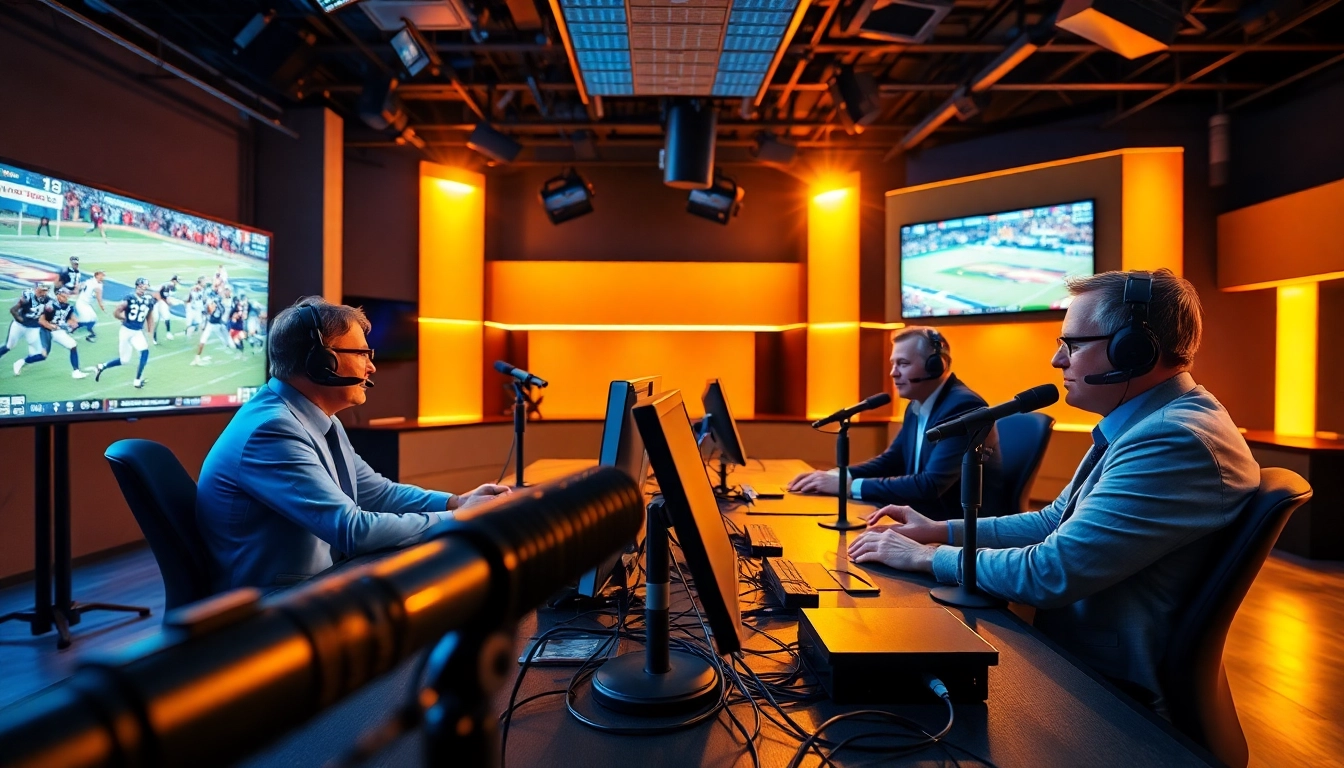
Understanding Sports Broadcasting
Definition and Importance of Sports Broadcasting
Sports broadcasting encompasses the live or recorded transmission of sporting events through various media channels, including television, radio, and digital platforms. It serves as a critical bridge between sports and their audience, delivering not just the game itself but also insights, analysis, and commentary that enhance the viewing experience. The importance of Sports Broadcasting lies in its ability to unite fans, generate conversations, and create a shared sense of community, transcending geographical barriers.
Types of Sports Broadcasting
There are several distinct types of sports broadcasting, each offering unique experiences to audiences:
- Live Broadcasting: This refers to real-time coverage of sports events, including play-by-play commentary and instant analysis.
- Recorded Broadcasting: This involves previously recorded games or highlights shown at a later time, often accompanied by commentary and analysis.
- Online Streaming: With the advent of technology, many events are now streamed live online, reaching a broader audience through digital platforms.
The Role of Technology in Sports Broadcasting
Technology plays a transformative role in sports broadcasting, enhancing production quality and audience engagement. High-definition (HD) and ultra-high-definition (UHD) cameras provide stunning visuals, while advanced graphics technology delivers real-time statistics and player information. Moreover, innovations like augmented reality (AR) and virtual reality (VR) are starting to create immersive experiences for viewers at home or in the stadium.
Key Skills for Sports Broadcasters
Communication and Presentation Skills
Effective communication is at the heart of sports broadcasting. Broadcasters need to convey information clearly and engagingly, ensuring viewers remain captivated throughout the event. Strong presentation skills, including voice modulation, pacing, and charisma, can significantly enhance a broadcaster’s effectiveness in capturing the audience’s attention.
Technical Proficiency and Production Knowledge
A deep understanding of the technical aspects of broadcasting—such as audio-visual equipment, broadcasting software, and the nuances of live production—is essential. Knowledge of the entire production workflow—from pre-production planning to post-event analysis—enables broadcasters to collaborate effectively with crew members, ensuring seamless transitions and high-quality output.
Research and Analysis in Sports Broadcasting
Research and analytical skills are crucial for providing in-depth commentary and insights during broadcasts. Broadcasters need to stay updated on players, teams, statistics, and trends in the industry. This knowledge allows them to deliver value-added insights that enrich the viewing experience and engage audiences on a deeper level.
Best Practices in Sports Broadcasting
Creating Engaging Content for Audiences
Creating engaging content involves understanding viewer preferences and delivering narratives that resonate emotionally. Broadcasters should strive to infuse personal stories, player interviews, and behind-the-scenes insights into the coverage to create a more immersive experience for the audience. Utilizing multiple platforms—like social media for live interactions—can foster engagement and excitement around broadcasts.
Maintaining Accuracy and Integrity
Maintaining accuracy in reporting statistics and player performance is vital. Broadcasters should verify facts before presenting information to avoid misleading viewers. Upholding integrity by reporting based on credible sources builds trust with the audience, fostering loyalty and engagement over time.
Leveraging Social Media for Broadcasts
Social media is an invaluable tool for sports broadcasters. It allows for real-time interactions with fans, driving engagement before, during, and after events. By sharing highlights, commentary, and engaging with viewers through polls and Q&A sessions, broadcasters can create a comprehensive ecosystem around the event that enhances viewer experience.
Challenges in Sports Broadcasting
Dealing with Live Errors and Unforeseen Events
Live broadcasting presents unpredictable challenges, such as technical difficulties or unexpected occurrences during an event. Broadcasters must remain calm and adaptable, using their communication skills to fill gaps and provide insights to keep the audience engaged even when things go awry.
Navigating Audience Expectations
With the rise of digital platforms and instant feedback mechanisms, audience expectations are higher than ever. Broadcasters must understand viewer preferences and adapt their styles accordingly, whether it involves pacing, content, or presentation. Regular audience engagement can provide insight into these expectations.
Staying Updated with Industry Trends
In a rapidly evolving media landscape, staying updated with trends is a continual challenge. Broadcasters need to invest time in learning about new technologies, viewing habits, and content types to ensure their broadcasts remain relevant and appealing to audiences.
The Future of Sports Broadcasting
Emerging Technologies and Innovations
The future of sports broadcasting is set to be dominated by emerging technologies. Artificial intelligence (AI) and machine learning could refine content delivery by personalizing viewer experiences based on preferences. Innovations like 5G connectivity will allow for smoother streaming experiences and possibly increase the availability of live events across various platforms.
The Growing Role of Digital Platforms
Digital platforms will play an increasingly prominent role in sports broadcasting, serving as primary channels for content delivery. Subscription-based models and on-demand viewing are becoming more common, allowing viewers to watch events whenever they wish. Broadcasters must adapt to these shifts to remain competitive.
Predictions for the Sports Broadcasting Industry
As the landscape changes, predictions for the sports broadcasting industry suggest a heightened emphasis on interactive content and viewer participation. Gamification elements, where audiences can engage directly with broadcasts through predictions and fantasy sports, are likely to grow. The incorporation of data analytics for deeper storytelling may also rise, providing richer narratives around events.
FAQs About Sports Broadcasting
What is sports broadcasting?
Sports broadcasting involves the transmission of sports events through various media channels, providing live coverage, commentary, and analysis.
What skills are essential for sports broadcasters?
Key skills include communication, technical proficiency, research, analytical abilities, and knowledge of production processes.
How has technology changed sports broadcasting?
Advancements in technology have improved visual quality, introduced interactive features, and enabled online streaming, broadening audience reach.
What challenges do sports broadcasters face?
Common challenges include managing live errors, meeting audience expectations, and adapting to rapidly changing industry trends.
What does the future hold for sports broadcasting?
The future will likely see increased use of AI, immersive technologies, and digital platforms, enhancing viewer experiences and engagement.