
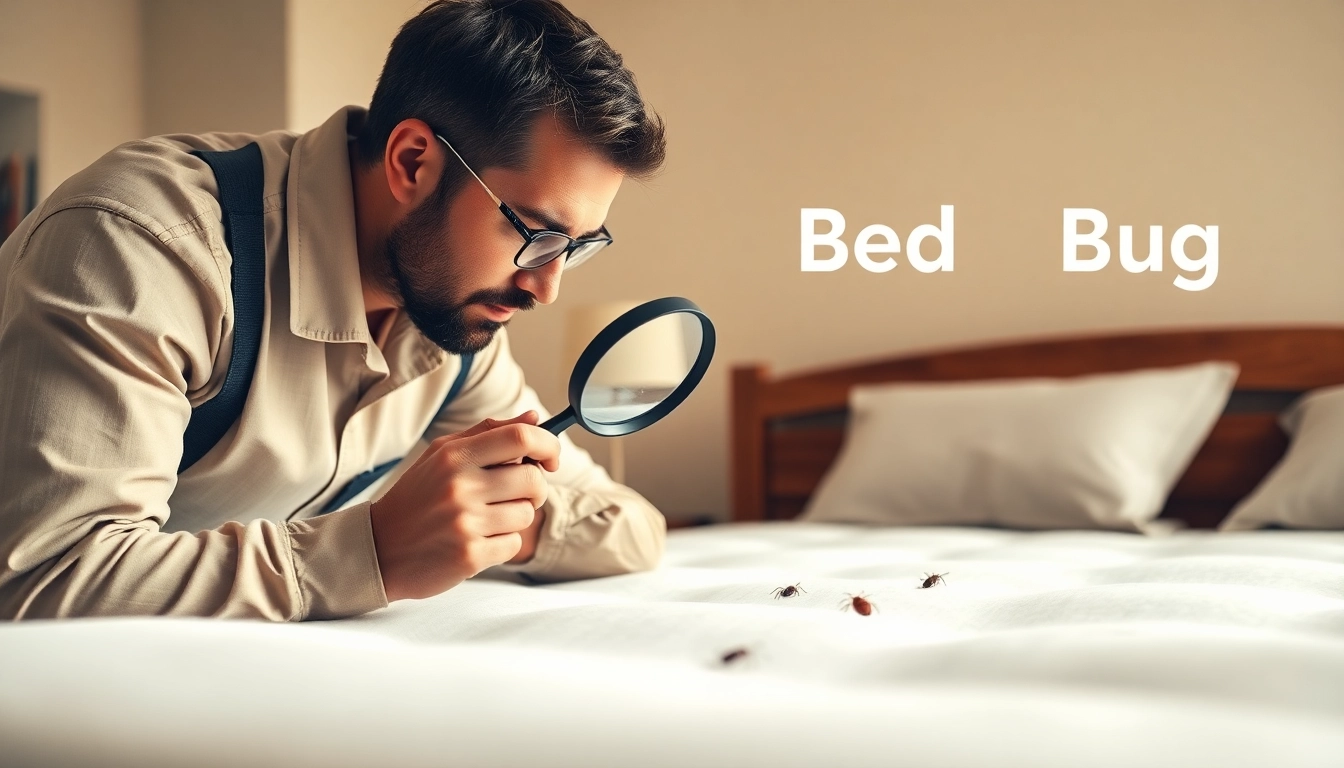
Understanding Bed Bugs: Signs and Symptoms
1. Recognizing Bed Bug Infestations
Bed bugs are small, wingless insects that thrive in the crevices of furniture, beds, and walls. Their flat, reddish-brown bodies make them easy to overlook until they have established a significant presence. Early detection is key to managing infestations effectively. Common signs of bed bug infestations include:
- Red, itchy welts on the skin, often in a line or cluster.
- Miniature blood stains on sheets or bedding.
- Dark spots, which are bed bug excrement, on mattresses or nearby surfaces.
- Empty shells or skin, as bed bugs molt and grow.
2. Common Hiding Spots in Homes
Understanding where bed bugs hide can profoundly influence your eradication efforts. They prefer dark, secluded places conducive to hiding and free from frequent disturbances. Frequent hiding spots include:
- Mattresses and box springs.
- Bed frames and headboards.
- Couches and upholstered furniture.
- Behind baseboards and electrical outlets.
- Inside closets, luggage, and storage boxes.
3. Bed Bug Life Cycle Explained
To effectively combat a bed bug infestation, understanding their life cycle is crucial. Bed bugs undergo several stages:
- Egg: The life cycle begins with eggs, which are about the size of a pinhead and can be laid in clusters.
- Nymph: After a week or so, the eggs hatch into nymphs, which need to feed on blood before growing into adults.
- Adult: Adult bed bugs can live for several months without feeding and can reproduce rapidly, leading to large infestations.
Affordable Bed Bug Control Methods
1. Advantages of DIY Solutions
While professional services are often effective, many homeowners seek affordable bed bug control methods they can manage themselves. DIY solutions can provide immediate relief and reduce costs significantly, making them appealing for those on a budget. Advantages include:
- Cost savings compared to hiring pest control services.
- Greater control over the treatment process and schedule.
- The ability to tailor the approach based on personal comfort and health considerations.
2. Cost-Effective Chemical Treatments
For those open to using chemicals, a variety of insecticides are available specifically for bed bugs. Here are some effective and cost-efficient options:
- Pyrethroids: Synthetic versions of natural insecticides are common and typically affordable.
- Neonicotinoids: These target the nervous system of bed bugs, proving effective against resistant populations.
- Insect Growth Regulators (IGRs): These chemicals prevent bed bugs from reaching maturity, interrupting their reproductive cycle.
Before applying any chemical treatment, always read and follow the instructions to ensure safety and effectiveness.
3. Natural Remedies for Bed Bugs
For those who prefer natural approaches, several home remedies can help in treating bed bug infestations without the need for harsh chemicals. Notable options include:
- Essential oils: Oils such as tea tree and lavender have insect-repellent properties; however, they may need frequent reapplication.
- Diatomaceous earth: A natural powder effective against bed bugs, it works by damaging their exoskeletons, leading to dehydration.
- Steam cleaning: High-temperature steam can kill bed bugs at all life stages if applied directly.
Preventing Bed Bug Infestations
1. Maintenance and Cleaning Tips
Maintenance plays a crucial role in preventing bed bug infestations. Regular cleaning routines can mitigate the risk of bed bugs taking up residence in your home. Recommended practices include:
- Washing bedding, curtains, and clothing frequently in hot water.
- Regularly vacuuming floors and upholstered furniture to remove potential eggs and adults.
- Decluttering to minimize hiding spots for bed bugs.
2. Furniture and Luggage Precautions
When traveling or buying second-hand furniture, extra precautions should be taken:
- Inspect luggage and belongings after traveling and before entering your home.
- Use zippered encasements on mattresses and pillows as a preventive measure.
- Consider using bed bug interceptors under the legs of furniture to trap any insects attempting to climb up.
3. Community Awareness Programs
Building community awareness is vital in combating bed bug problems effectively. Local programs can provide educational resources and support, helping residents identify and report infestations early. Consider participating in or advocating for community workshops that cover:
- Information on bed bug biology and control methods.
- Identification of common signs of infestation.
- Strategies for reporting infestations and supporting affected individuals.
Choosing the Right Pest Control Service
1. Assessing Service Quality and Price
When considering hiring a pest control service, it’s essential to evaluate the quality of services against their pricing. Factors to consider include:
- Experience and reputation in dealing with bed bug infestations.
- Methods used (chemical vs. non-chemical options).
- Guarantees and follow-up services offered.
2. What to Expect During Appointments
During a professional pest control service appointment, you should expect a thorough inspection followed by a detailed treatment plan. Professionals typically:
- Conduct a comprehensive assessment of the infestation.
- Discuss treatment options and potential outcomes.
- Advise on pre-treatment preparations and post-treatment strategies.
3. Recommendations for Ongoing Prevention
After the initial treatment, ongoing prevention is crucial to mitigate the chances of re-infestation. Recommendations include:
- Regular inspections for signs of bed bugs.
- Continuing good hygiene practices and upkeep of the living space.
- Staying informed about bed bug outbreaks in your community.
Frequently Asked Questions about Bed Bug Control
1. What is the cheapest way to get rid of bed bugs?
The cheapest way to tackle bed bugs is using diatomaceous earth or steam cleaning. Both methods are cost-effective and safe when applied properly.
2. Can I afford treatments if I’m on a budget?
Yes, many DIY methods and natural remedies are available that can help you control bed bugs without a significant financial investment.
3. How often should I treat for bed bugs?
It is recommended to treat for bed bugs every few weeks until you are certain the infestation has been eradicated. Regular monitoring is key.
4. Are home remedies effective against bed bugs?
While some home remedies can provide temporary relief, they may not eliminate all infestations. Combining them with professional assistance is more effective.
5. How can I prevent bed bugs from returning?
Prevention involves ongoing maintenance, such as regular cleaning, using protective encasements, and being vigilant during travel and when purchasing used furniture.