Understanding the Art of Wedding Photography
Wedding photography is a unique blend of artistry, spontaneity, and technical skill, transcending mere snapshots of a significant day; it is about encapsulating emotions, moments, and connections that will be cherished for a lifetime. This genre goes beyond the traditional posed pictures, requiring photographers to be adept at various styles, lighting conditions, and settings. At its core, Wedding photography is about providing couples with a visual narrative of their love story, crafted through the lens of an experienced artist.
What is Wedding Photography?
Wedding photography is the practice of documenting the events of a wedding through photography. This encompasses everything from the preparation and ceremony to the reception and various joyous moments in between. Unlike other types of photography, wedding photography demands a comprehensive understanding of human emotions as well as the intricacies of the wedding day schedule. The goal is to tell a cohesive story that reflects the couple’s personality and their unique journey.
Key Elements of Stunning Wedding Photography
Several key elements contribute to exceptional wedding photography:
- Lighting: Mastering natural and artificial lighting is crucial for capturing the mood of the day.
- Composition: Understanding framing, angles, and depth ensures a visually appealing narrative.
- Emotion: Capturing candid moments of joy, laughter, and love adds depth and authenticity to the imagery.
- Storytelling: Each photograph should contribute to a larger narrative, allowing the viewer to experience the day as if they were there.
Choosing the Right Style for Your Wedding Photography
Understanding various photography styles can significantly impact how moments are captured and presented. The most popular styles include traditional, documentary, and artistic. Traditional photography focuses on classic poses and staged scenes, while documentary photography is more spontaneous, showcasing events as they unfold. Artistic photography merges both styles, incorporating creative elements. Couples should consider which style resonates with them to ensure their memories are beautifully preserved.
Essential Tips for Capturing Memorable Wedding Photos
Preparing for the Big Day: Planning Your Shots
Preparation is key to successful wedding photography. Prior to the event, photographers should meet with the couple to discuss specific shots they want, desirable locations, and any family dynamics to be aware of. Creating a shot list can help streamline the process, ensuring no important moments are missed. Regular communication with the couple fosters trust and sets expectations clearly.
Working with Natural Light in Wedding Photography
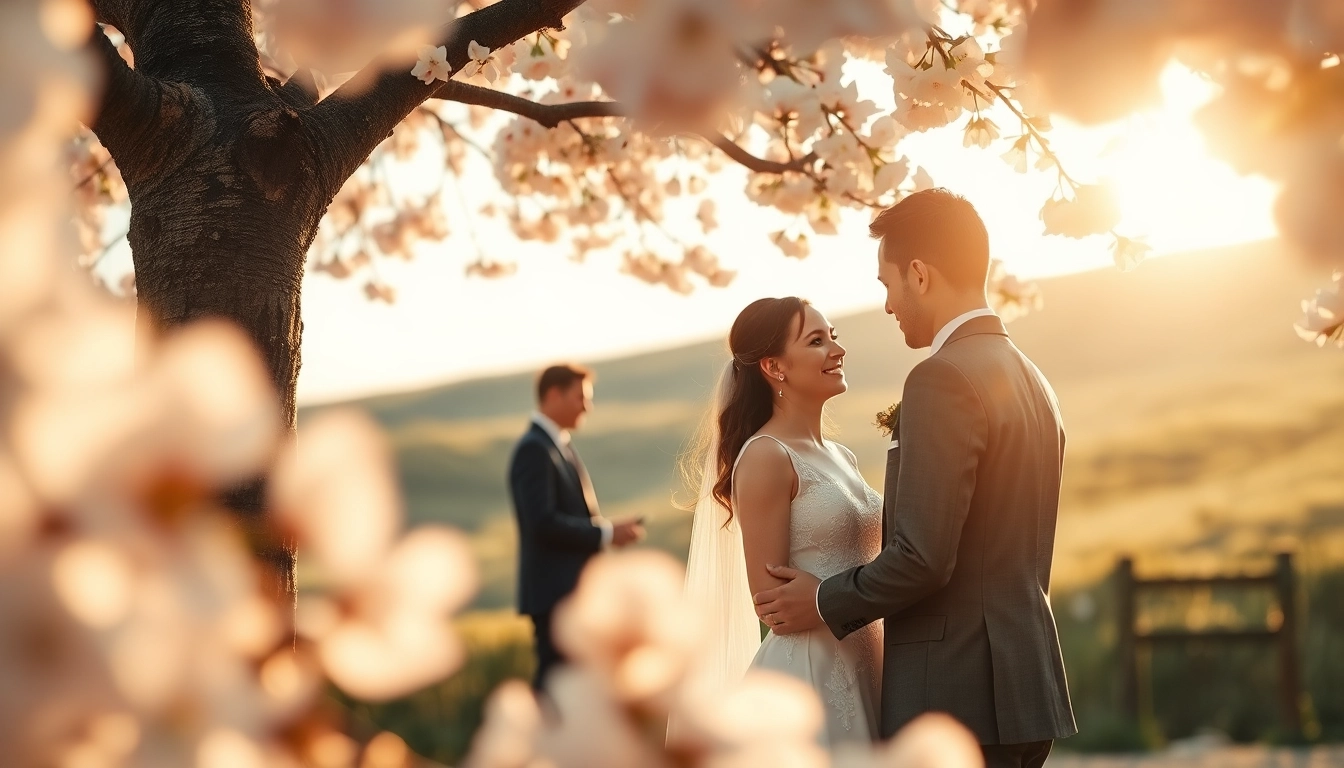
Natural light can enhance the quality of wedding photos, adding warmth and vibrancy. Photographers should assess lighting conditions throughout the day and plan their shots accordingly. The golden hour, which occurs just before sunset, provides soft, flattering light ideal for portraits. Understanding how to manipulate natural light will lead to stunning and timeless images.
Posing Techniques for Unforgettable Moments
Effective posing is essential for beautiful wedding portraits. Photographers should guide couples and guests for flattering and natural-looking poses. Simple techniques include positioning subjects at angles rather than straight on, creating movement, and encouraging candid interactions. Familiarity with classic poses can also enhance the variety of captured moments.
Choosing a Wedding Photographer: What to Look For
Questions to Ask Potential Wedding Photographers
Choosing the right wedding photographer involves asking pertinent questions to gauge their expertise and compatibility. Inquire about their experience, style, equipment used, and how they handle different lighting situations. It’s also essential to understand their approach to post-production and what the clients can expect in terms of deliverables and timelines.
Reviewing Portfolios: Finding Your Style
A photographer’s portfolio is a visual exhibition of their style and capabilities. Couples should look for consistency in quality, the variety of shot compositions, and the types of moments captured. It’s helpful to see full wedding galleries rather than just highlight reels, to better assess how the photographer approaches the entire day.
Understanding Pricing and Packages for Wedding Photography
Wedding photography pricing can vary significantly based on experience, location, and services included. Common packages may cover different durations, number of photographers, and post-production services. Couples should consider their budget but also recognize the value and investment in capturing their special day. Understanding exactly what is included in each package will help in making an informed decision.
Editing and Post-Production in Wedding Photography
The Importance of Post-Production in Professional Wedding Photography
Post-production is a critical aspect of wedding photography that helps refine images for the final collection. This process includes selecting the best photos, adjusting exposure, color correction, and retouching imperfections. A skilled photographer’s editing style will enhance the natural beauty of each moment, ensuring the final images reflect the emotions and aesthetic of the day.
Common Editing Techniques Used in Wedding Photography
Common editing techniques include color grading, exposure adjustments, sharpening, and cropping. Some photographers also employ creative effects, such as black and white conversions or the use of filters to enhance mood. Understanding these techniques will enable couples to express their preferences and ensure that their wedding photos meet their vision.
How to Choose the Right Editing Style for Your Photos
Each photographer has a unique editing style that can significantly impact the final outcome. When reviewing portfolios, pay attention to how they edit images—whether they lean towards a light and airy feel, a dramatic contrast, or a rich, warm aesthetic. Couples should communicate their preferences clearly to ensure a cohesive look that resonates with their overall wedding theme.
Trends and Innovations in Wedding Photography
Adapting to Digital Trends in Wedding Photography
The rise of digital photography has transformed wedding photography significantly. Many photographers now offer not just prints but also digital files that clients can share on social media and other platforms. It’s essential for photographers to stay updated on current digital trends, such as the integration of drones for aerial shots, live streaming, and using advanced editing software.
Cultural Influences on Wedding Photography Styles
Cultural backgrounds play a vital role in shaping wedding photography styles. Different cultures have unique rituals, colors, and themes that can be beautifully captured through the lens. Photographers should be sensitive to these cultural nuances to ensure that they accurately and respectfully represent the couples’ heritages in their photos.
Future Directions for Wedding Photography: What’s Next?
As technology continues to advance, the future of wedding photography is likely to include more immersive experiences, such as 360-degree photography or virtual reality galleries. Photographers will need to embrace these innovations to remain relevant. Additionally, personalized services tailored to individual client needs will become increasingly important, setting the standard for excellence in the industry.
Frequently Asked Questions (FAQs)
How do I choose the right wedding photography style?
Consider what resonates with you as a couple. Review different styles like traditional, documentary, or artistic photography. Look through various portfolios to see which style captures moments most effectively for you.
What should I ask my wedding photographer?
Ask about their experience, approach to wedding day schedules, and the number of events covered. Clarify their editing style and expected delivery timelines for photos. Communication is critical in aligning your vision.
How can we ensure candid moments are captured?
Discuss your preference for candid shots with your photographer before the wedding. Choose someone whose style includes documentary elements, and they will integrate these types of images seamlessly into the photo collection.
What is the typical turnaround time for wedding photos?
Turnaround times vary by photographer, but expect between 4 to 12 weeks. It’s essential to discuss timelines upfront and ensure you understand when and how you’ll receive your images.
Are engagement sessions included in wedding photography packages?
Some packages may include engagement sessions, while others may not. It’s best to confirm this upfront with your photographer. Engagement sessions can help you become comfortable in front of the camera before the wedding day.