
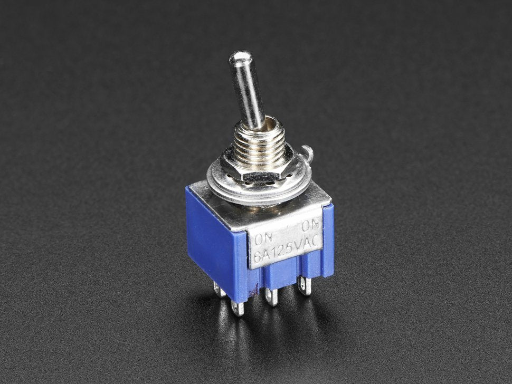
Quality control is one of the most important aspects of electrical component manufacturing. Electrical components are used in a wide range of industries, including industrial automation, telecommunications, automotive systems, consumer electronics, energy infrastructure, and commercial equipment. Because these components directly affect system performance and safety, maintaining consistent quality standards is essential.
Manufacturers that prioritize quality control can deliver reliable products ike toggle switches, reduce defects, and improve customer satisfaction. As technology continues to advance, the demand for high-quality electrical components has become more critical than ever.
The Importance of Quality Control in Manufacturing
Electrical components must operate reliably under various environmental and operational conditions. Even a minor defect can lead to equipment failure, system downtime, increased maintenance costs, and potential safety risks.
Quality control helps manufacturers identify and eliminate issues during the production process. Through inspection, testing, and continuous monitoring, companies can ensure that their products meet required performance standards and customer expectations.
Benefits of Effective Quality Control
Improved Product Reliability
Quality control procedures help ensure that electrical components perform consistently and reliably throughout their service life.
Enhanced Customer Satisfaction
Customers expect dependable products that meet their requirements. High manufacturing standards help build trust and long-term business relationships.
Increased Safety
Proper quality control reduces the risk of defects that could lead to electrical failures, equipment damage, or safety hazards.
Consistent Product Performance
Manufacturers can maintain uniform product quality across production batches, ensuring reliable operation in various applications.
Reduced Costs
Identifying defects early in the manufacturing process helps reduce waste, rework, warranty claims, and maintenance expenses.
Stronger Industry Reputation
Companies that consistently deliver high-quality products are more likely to establish a positive reputation within their industry.
Key Quality Control Processes
Quality control in electrical component manufacturing typically includes:
- Raw material inspection
- Production monitoring
- Functional testing
- Performance verification
- Environmental testing
- Durability evaluation
- Final product inspection
- Compliance verification
These processes help ensure that every component meets the required specifications before reaching the customer.
The Role of Toggle Switches and Fuse Holder Components
Quality control is particularly important for essential electrical components such as toggle switches and fuse holder products.
Toggle switches are widely used in industrial equipment, control panels, and electrical systems where reliable operation is critical. Consistent manufacturing quality helps ensure dependable switching performance and long-term durability.
A fuse holder also requires precise manufacturing standards because it plays a key role in circuit protection. High-quality fuse holder components help maintain secure fuse connections and support safe electrical system operation.
Together, toggle switches and fuse holder products demonstrate how quality control directly impacts the performance and reliability of electrical systems.
Applications Across Industries
Quality-controlled electrical components are used in numerous sectors, including:
- Industrial automation
- Manufacturing equipment
- Telecommunications systems
- Automotive electronics
- Renewable energy systems
- Commercial buildings
- Medical equipment
- Transportation infrastructure
These industries depend on reliable components to maintain operational efficiency and system safety.
Conclusion
Quality control is essential in electrical component manufacturing because it helps ensure product reliability, safety, consistency, and long-term performance. By implementing comprehensive inspection and testing procedures, manufacturers can reduce defects and deliver products that meet the demands of modern industries.
Whether producing toggle switches, fuse holder components, or other electrical products, maintaining high quality standards contributes to better system performance, improved customer satisfaction, and greater operational success. As technology continues to evolve, quality control will remain a key factor in the production of dependable electrical components.