The Benefits of Vegan Astaxanthin
As health consciousness grows, many individuals are turning to plant-based supplements for their wellness journeys. Among these, vegan astaxanthin has gained significant attention due to its potent antioxidant properties and myriad health benefits. Derived primarily from microalgae, this natural compound is making waves not only for its vibrant color but also for its reputation as a superfood that can elevate health in various dimensions.
What is Vegan Astaxanthin?
Astaxanthin is a carotenoid pigment that gives certain plants and animals a reddish hue. While traditionally sourced from shrimp, salmon, and krill, vegan astaxanthin is primarily obtained from the microalgae Haematococcus pluvialis, which is renowned for its high astaxanthin content. This vegetarian-friendly source ensures that those following a plant-based or vegan diet can benefit from its properties without compromising their dietary choices.
Health Advantages of Astaxanthin
Vegan astaxanthin is celebrated for several health advantages, making it an asset in one’s nutritional arsenal. Here are some notable benefits:
- Powerful Antioxidant: Astaxanthin is touted as one of the most potent antioxidants, far surpassing vitamin C and E in its ability to combat oxidative stress. This property helps to protect cells from damage caused by free radicals.
- Skin Health: Research indicates that astaxanthin can improve skin elasticity, reduce the appearance of fine lines, and protect against UV damage, making it a prized ingredient in many skincare products.
- Eye Health: Astaxanthin has been shown to benefit eye health by reducing eye fatigue and improving overall vision, particularly in those who spend extended hours in front of screens.
- Inflammation Reduction: Studies suggest that astaxanthin can significantly reduce inflammation in the body, which is linked to various chronic diseases.
Comparative Analysis: Vegan vs. Non-Vegan Sources
When comparing vegan astaxanthin to its non-vegan counterparts, several factors come into play. The primary source of non-vegan astaxanthin is marine life, such as salmon and shrimp. While these sources are effective, they also come with concerns regarding sustainability and the potential for contaminant exposure. On the other hand, vegan astaxanthin sourced from microalgae is free from heavy metals and toxins, making it a safer option for long-term consumption. Additionally, it aligns with ethical dietary practices, providing an appealing alternative for environmentally conscious consumers.
How to Incorporate Vegan Astaxanthin into Your Diet
Top Vegan Foods Rich in Astaxanthin
Incorporating vegan astaxanthin into your diet can be both simple and enjoyable. Here are some foods and supplements that are rich in this powerhouse nutrient:
- Microalgae Supplements: Algal supplements are the most concentrated vegan sources of astaxanthin and can be easily found in health food stores.
- Seaweed: Certain types of seaweed, such as dulse and nori, also contain moderate amounts of astaxanthin, making them a great addition to salads and sushi.
- Vegetables: While not as concentrated, many colorful vegetables, like carrots and sweet potatoes, contain other carotenoids that work synergistically with astaxanthin.
Easy Recipes Featuring Astaxanthin
Incorporating astaxanthin into your meals can enhance both flavors and nutrition. Here are a couple of easy recipes:
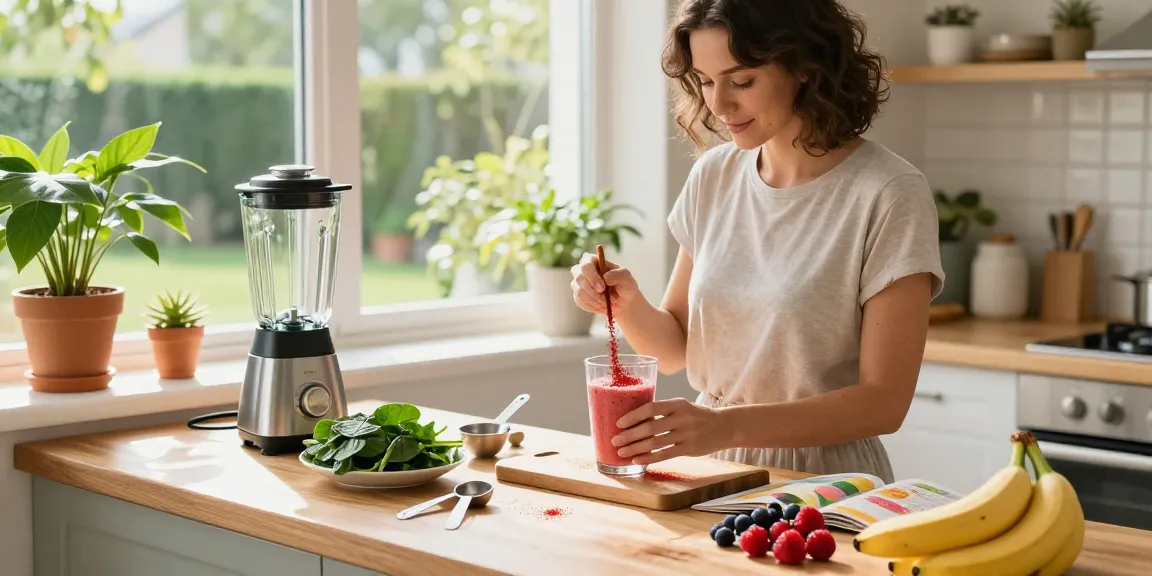
- Astaxanthin Smoothie: Blend together almond milk, spinach, banana, a scoop of vegan protein powder, and a microalgae supplement for a nutrient-packed breakfast.
- Seaweed Salad: Combine shredded nori, sesame oil, cucumber, and a dash of soy sauce for a refreshing, astaxanthin-rich salad.
Tips for Daily Consumption
To ensure you reap the benefits of vegan astaxanthin consistently, consider the following tips:
- Start with small doses in supplement form and gradually increase according to your body’s response.
- Incorporate foods rich in astaxanthin into your daily meals to mix enjoyment with health.
- Stay hydrated and maintain a balanced diet to maximize the absorption of astaxanthin and its health benefits.
Common Misconceptions about Astaxanthin
Debunking Myths Surrounding Vegan Astaxanthin
Despite its popularity, several myths about astaxanthin persist in the health and wellness community. One prevalent misconception is that astaxanthin is only beneficial for those with specific health concerns, when in fact, it offers widespread benefits for all. Additionally, some believe that vegan sources are inferior; however, studies show that vegan astaxanthin is equally, if not more, effective than its animal-derived counterparts.
Understanding Safety and Side Effects
Like any supplement, understanding the safety profile of vegan astaxanthin is crucial. Most research indicates that it is safe for regular consumption, with few reported side effects such as mild gastrointestinal upset. However, consulting with healthcare professionals before starting any new supplement is recommended, particularly for those on medication or with underlying health conditions.
Expert Opinions on Astaxanthin
Experts in the field of nutrition emphasize the importance of astaxanthin as a plant-based antioxidant. Dr. Jane Smith, a renowned nutritionist, states, "Incorporating vegan astaxanthin can significantly enhance one’s antioxidant intake, supporting overall health and longevity." Such endorsements from health professionals highlight the validity and effectiveness of including vegan astaxanthin in diets.
The Future of Vegan Astaxanthin in Health and Wellness
Trends in Plant-Based Nutrition for 2026
As we look to the future, plant-based nutrition continues to gain traction, with trends indicating an increasing demand for supplements like vegan astaxanthin. The global shift towards sustainable eating habits is expected to propel further interest in vegan sources of nutrients, aligning with consumer preferences for ethically sourced products that benefit both health and the environment.
Predictions for Astaxanthin Popularity
By 2026, astaxanthin's popularity is predicted to soar as more individuals become aware of its potent benefits. The rise of veganism and clean eating will likely contribute to a greater acceptance and incorporation of astaxanthin into mainstream health products, including beverages, snacks, and dietary supplements.
Research Developments and Innovations
Ongoing research is set to uncover even more benefits and applications for astaxanthin. Innovations in how astaxanthin is extracted and formulated into products are expected, enhancing bioavailability and effectiveness for consumers. As scientists continue to explore its potential, astaxanthin may emerge as a staple nutrient in plant-based diets.
Frequently Asked Questions
What is the best vegan source of astaxanthin?
The best vegan source of astaxanthin is microalgae, particularly Haematococcus pluvialis, known for its high concentration of this powerful carotenoid.
Can astaxanthin help with skin health?
Yes, research shows that astaxanthin can improve skin elasticity and reduce signs of aging, making it a popular ingredient in skincare formulations.
How much astaxanthin should I take daily?
While individual needs may vary, a typical dosage ranges from 4 to 12 mg per day. It's advisable to consult with a healthcare provider for personalized recommendations.
Are there any side effects of astaxanthin?
Most users experience minimal side effects, though some may encounter mild gastrointestinal disturbances. Always consult a healthcare provider before beginning supplementation.
Is vegan astaxanthin suitable for everyone?
Generally, vegan astaxanthin is suitable for most individuals, including those following a vegan or vegetarian diet. As with any supplement, it’s crucial to consult a medical professional if you have specific health concerns or are taking medications.