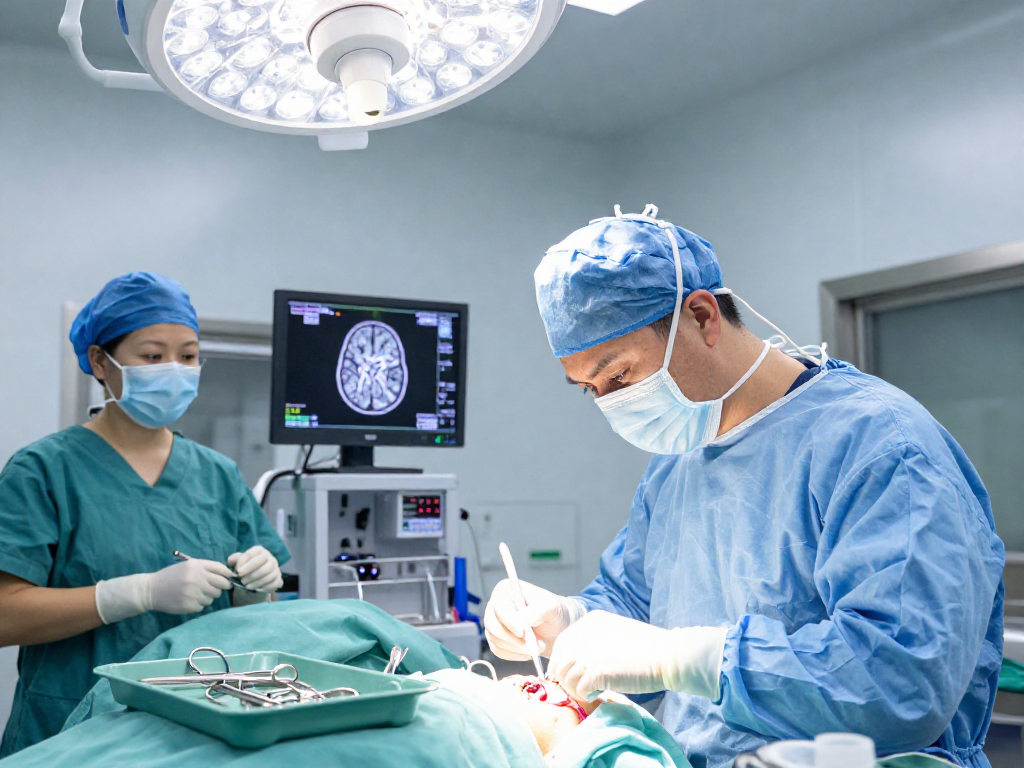
Understanding Brain Tumors and Surgical Options
Brain tumors can be daunting, both for patients and their families. These growths can be benign or malignant, and their behavior can vary significantly depending on the type, size, and location of the tumor. While many patients face uncertainties regarding their diagnosis and treatment options, advancements in medicine provide hope and clarity. This guide aims to shed light on one of the most critical treatment methods: brain tumor surgery, specifically focusing on procedures like beyin tümörü ameliyatı. Understanding the nuances of brain tumors, such as meningiomas and glioblastomas, is essential for making informed decisions about treatment plans.
What is a Brain Tumor?
A brain tumor is an abnormal growth of cells in the brain. Tumors can be classified broadly into primary tumors, which originate in the brain, and secondary, or metastatic tumors, which spread to the brain from other parts of the body. These tumors can be benign (non-cancerous) or malignant (cancerous), and their treatment varies accordingly. Symptoms often include headaches, seizures, and cognitive or motor skill difficulties, which are largely influenced by the tumor's specific location within the brain.
Types of Brain Tumors: Meningioma and Glioblastoma
Among the various types of brain tumors, meningiomas and glioblastomas are the most discussed. Meningiomas arise from the meninges, the protective layers surrounding the brain and spinal cord. These tumors are often slow-growing and are typically classified as benign. On the other hand, glioblastomas are one of the deadliest forms of brain cancer. They originate from glial cells and are known for their aggressive nature and rapid growth.
Indications for Surgery: When is it Necessary?
Surgery is generally indicated when a brain tumor causes significant symptoms or poses a risk to the patient’s health. Factors prompting surgical intervention include tumor size, location, and whether the tumor is causing increased intracranial pressure. Additionally, a biopsy may be necessary to ascertain the tumor’s nature and develop a targeted treatment strategy.
The Process of Beyin Tümörü Ameliyatı
The journey of undergoing brain tumor surgery involves multiple steps, from prior assessments to post-operative care. Each step is crucial in ensuring the best possible outcome for the patient.
Preoperative Assessments and Imaging Techniques
Before surgery, patients undergo a series of diagnostic tests, including MRIs and CT scans. These imaging techniques help determine the tumor's size, location, and potential impact on adjacent brain structures and functions. Preoperative assessments also include neurological examinations to evaluate the patient’s cognitive and motor skills.
Surgical Techniques: Traditional vs. Awake Surgery
Surgical techniques for brain tumor removal can vary. Traditional surgery often involves craniotomy, where a portion of the skull is removed to access the brain. In contrast, awake surgery allows surgeons to monitor the patient’s brain function during the procedure, which is particularly critical when working near areas that control speech or movement. This method can help reduce the risk of post-surgical neurological deficits.
Postoperative Care and Monitoring Requirements
After the surgery, patients are monitored in intensive care to assess for any immediate complications such as infection or bleeding. Follow-up imaging is typically performed within 24 to 48 hours to evaluate the success of the resection and check for any residual tumor.
Risks and Considerations in Brain Tumor Surgery
While brain tumor surgery can be life-saving, it does come with potential risks that every patient and family should be aware of. Understanding these risks can help manage expectations and prepare for recovery.
Common Complications After Surgery
Common complications may include infection, bleeding, or neurological deficits such as weakness or speech difficulties, depending on the tumor's location. Patients may also experience seizures or headache following surgery, which can typically be managed with medication.
Long-term Effects and Recovery Expectations
The recovery process after brain tumor surgery can vary significantly from patient to patient. Many factors, including the tumor type, its location, and the patient’s overall health, influence recovery time. Some patients may return to their normal activities within a few weeks, while others may need rehabilitation to regain lost skills.
Managing Patient Expectations and Concerns
It's essential for patients to have candid conversations with their healthcare team about what to expect post-surgery. Providing emotional support and resources can help ease anxiety and improve the recovery experience.
Advancements in Surgical Interventions
Over the past decades, significant advancements in brain surgery techniques have emerged, enhancing safety and efficacy.
The Role of Gamma Knife Radiosurgery
Gamma Knife radiosurgery is a non-invasive treatment option that uses focused radiation beams to target tumors with precision. This technique is particularly beneficial for patients who may not be ideal candidates for traditional surgery due to their medical conditions or tumor location.
Emerging Technologies: Minimally Invasive Approaches
Minimally invasive surgical techniques have gained traction in recent years. Using endoscopic methods, surgeons can perform procedures with smaller incisions, leading to reduced recovery times and lower risks of complications.
Multidisciplinary Approaches to Treatment
Given the complexity of brain tumors, a multidisciplinary approach is often required. This approach may involve a team of neurosurgeons, medical oncologists, radiation oncologists, and supportive care professionals to develop a comprehensive treatment plan tailored to each patient’s unique situation.
Patient Resources and Support Systems
Finding reliable resources and support systems can significantly impact a patient's journey through diagnosis and treatment.
Finding the Right Neurosurgeon
Selecting a skilled neurosurgeon is critical. Patients should look for professionals with experience in treating their specific tumor type and use advanced surgical techniques.
Support Groups and Counseling Options
Participating in support groups or counseling can provide emotional relief and community connection for patients and their families facing brain tumors.
Insurance and Treatment Costs Explained
Understanding insurance coverage for brain tumor treatment is crucial. Patients should communicate with their insurance providers and the healthcare facility to clarify what costs will be covered and any potential out-of-pocket expenses.
What to Ask Your Doctor Before Surgery?
Before surgery, patients should prepare a list of questions for their healthcare team. Important queries might involve details about the surgical procedure, recovery time, potential complications, and follow-up care.
Follow-Up Care and Regular Monitoring FAQs
Follow-up care is essential in the post-operative phase. For more information, beyin tümörü ameliyatı offers valuable insights. Regular monitoring through imaging and assessments ensures that any recurrence of the tumor can be addressed promptly. It’s also important for patients to remain vigilant for any new symptoms that may arise post-surgery.