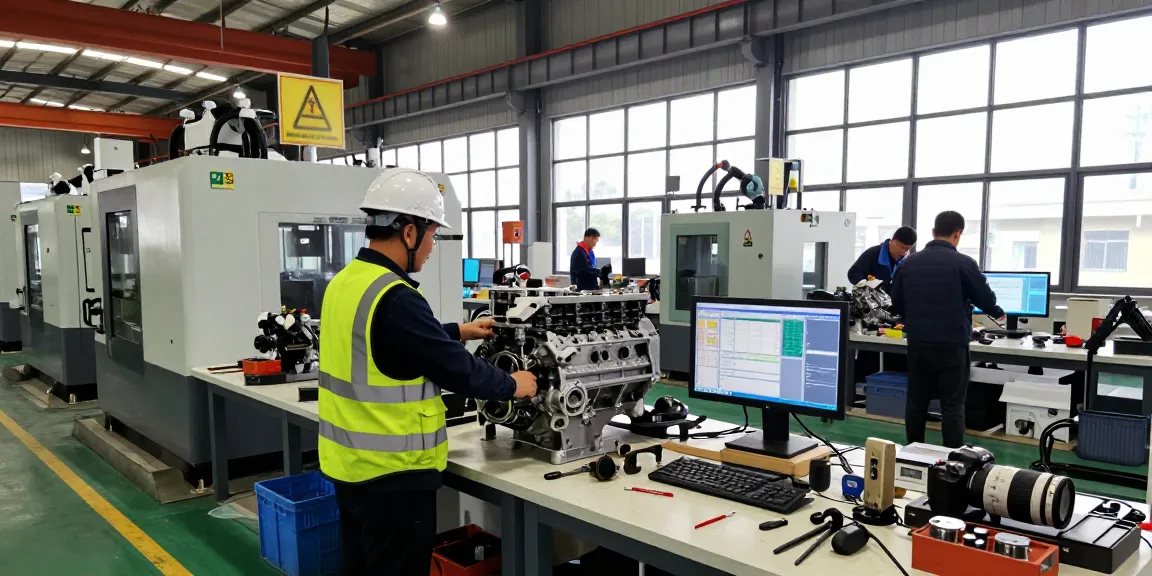
Understanding the NAGA2000 Engine
The NAGA2000 engine represents a significant advancement in industrial machinery, aiming to enhance efficiency and productivity across various heavy industry sectors. This engine offers unique features that cater to the demanding applications of modern manufacturing processes. As organizations continue to seek cutting-edge solutions, exploring the capabilities of NAGA2000 is essential for understanding its impact on operations and overall performance.
What is NAGA2000?
The NAGA2000 is a robust industrial engine designed specifically for heavy-duty applications in various sectors such as manufacturing, construction, and energy. Engineered for high performance, it incorporates innovative technologies that enhance its operational capabilities. The engine is known for its reliability, energy efficiency, and adaptability to different operational environments.
Key Features and Benefits of NAGA2000
- High Efficiency: The NAGA2000 optimizes fuel consumption and reduces operational costs through advanced engineering.
- Durability: Built with high-quality materials, this engine ensures longevity and sustained performance even in harsh conditions.
- Modular Design: Its modular components allow for easy upgrades and maintenance, minimizing downtime.
- Advanced Controls: Equipped with state-of-the-art control systems, it offers precise management of engine functions, contributing to higher productivity.
- Environmental Compliance: Designed to meet strict emission standards, the NAGA2000 is an eco-friendly choice for industrial applications.
Common Applications in Heavy Industry
The NAGA2000 engine finds its applications in various heavy industry sectors, including but not limited to:
- Manufacturing: Used to power machinery and production lines, enhancing throughput.
- Construction: Optimally suited for heavy equipment like excavators and cranes.
- Energy Production: Employed in generators and turbines for efficient energy generation.
Setting Up NAGA2000: A Step-by-Step Guide
Implementing the NAGA2000 engine requires careful planning and execution. Below is a comprehensive guide to ensure a smooth installation process.
Pre-Installation Requirements and Checks
Before installation, it's critical to conduct several checks and prepare adequately. This involves:
- Site Assessment: Ensure the installation site meets the engine's specifications, including space, ventilation, and access to necessary utilities.
- Equipment Inspection: Verify that all complementary equipment is compatible with the NAGA2000 engine.
- Documentation Review: Gather all technical manuals and service documentation related to the NAGA2000 for reference.
Installation Process for NAGA2000
The installation of the NAGA2000 engine entails a series of critical steps:
- Positioning: Carefully position the engine within the designated area, ensuring it is level and securely mounted.
- Connections: Connect all required power, fuel, and control line systems according to the technical specifications.
- System Integration: Integrate the engine into existing manufacturing systems, ensuring compatibility and functionality.
Testing and Calibration Procedures
Following installation, rigorous testing and calibration are essential to ensure optimal performance of the NAGA2000:
- Initial Testing: Conduct preliminary tests to check for leaks, electrical issues, and proper mechanical function.
- Calibration: Adjust settings on the engine’s control systems to align with operational demands.
- Performance Monitoring: Monitor the engine’s performance during initial operation to identify any adjustments needed.
Integrating NAGA2000 into Manufacturing Systems
Efficient integration of the NAGA2000 engine into existing systems is crucial for maximizing productivity. The following sections outline how to achieve this effectively.
Connecting NAGA2000 with Existing Equipment
Connecting the NAGA2000 with your current machinery involves ensuring compatibility and proper communication protocols. Follow these steps:
- Compatibility Check: Ensure that existing equipment can interface with the NAGA2000’s outputs and inputs.
- Cabling: Use appropriate cabling and connectors to facilitate connections between the engine and machinery.
- Testing Connections: After establishing connections, perform tests to verify operational integrity.
Software and Interface Setup for NAGA2000
The integration of software systems is pivotal for monitoring and controlling the NAGA2000 engine. Key considerations include:
- Control Software: Install and configure the engine’s control software for optimal functionality.
- User Interfaces: Set up user-friendly interfaces that allow operators to monitor and control the NAGA2000 seamlessly.
- Data Integration: Ensure that the data from the NAGA2000 can be integrated into existing manufacturing systems for real-time monitoring and analytics.
Data Management and Monitoring Integration
Effective data management is essential for maximizing the benefits of the NAGA2000 engine. This includes:
- Data Collection: Implement systems for collecting performance data and operational metrics from the engine.
- Analytics Tools: Use analytics software to interpret performance data and make informed decisions.
- Reporting Systems: Set up automated reporting systems that provide insights into engine performance and efficiency.
Best Practices for Operating NAGA2000
To ensure optimal performance and longevity of the NAGA2000 engine, adhering to best operating practices is essential.
Daily Maintenance Protocols
Establishing a daily maintenance routine will help maintain the NAGA2000 in peak condition:
- Visual Inspections: Conduct daily visual checks for signs of wear, leakage, or any irregularities.
- Fluid Checks: Regularly inspect fluid levels and replace fluids as recommended to ensure optimal performance.
- System Tests: Perform system checks to confirm all functions are operating as expected.
Operational Guidelines for Maximum Efficiency
To maximize the NAGA2000’s efficiency, operators should follow these guidelines:
- Load Management: Ensure the engine is operating within its designated load limits to prevent undue strain.
- Temperature Monitoring: Keep an eye on operating temperatures and make adjustments to cooling systems as necessary.
- Regular Training: Continuously train staff on the latest operational protocols and maintenance requirements.
Training Staff for NAGA2000 Operation
Investing in training for all team members who will interact with the NAGA2000 is key:
- Initial Training Sessions: Conduct comprehensive training sessions upon implementation of the engine.
- Ongoing Education: Schedule regular updates and refresher courses to ensure all staff are up to date with best practices.
- Safety Training: Emphasize the importance of safety protocols when operating heavy machinery.
Future Trends in Heavy Industry with NAGA2000
The future of heavy industry is rapidly evolving, and the NAGA2000 engine is at the forefront of these changes. Here are some emerging trends that will shape its usage:
The Role of Automation and AI in Manufacturing
Automation and artificial intelligence are transforming manufacturing processes. The integration of these technologies with the NAGA2000 will enhance decision-making and operational precision. Upcoming features may include:
- Smart Monitoring: Utilization of AI for real-time performance analysis, predictive maintenance, and fault detection.
- Autonomous Operation: Potential for autonomous engines that can adjust operations without human intervention.
Expected Developments for NAGA2000 by 2026
As industries continue to innovate, the NAGA2000 engine is projected to evolve significantly by 2026. Expected developments include:
- Enhanced Efficiency: Future models may incorporate advanced fuel optimization technologies.
- Adaptive Systems: Enhanced adaptability to diverse operational environments, minimizing the need for manual adjustments.
- Improved AI Integration: More sophisticated AI systems that provide insights and predictive analytics for operational improvements.
Industry Case Studies and Success Stories
Numerous case studies highlight the successful implementation of the NAGA2000:
- Manufacturing Plant X: Increased production efficiency by 30% after integrating the NAGA2000, thanks to its advanced monitoring systems.
- Construction Company Y: Reduced fuel costs by 20% with the NAGA2000’s superior fuel efficiency capabilities.
How can NAGA2000 improve production metrics?
NAGA2000 can significantly enhance production metrics by:
- Reducing Downtime: Increased reliability and faster maintenance procedures lead to less downtime.
- Boosting Output: Optimized performance ensures that machinery operates at peak capacity.
- Lowering Costs: Enhanced efficiency translates to lower operational costs, contributing to better profit margins.
What are common challenges when integrating NAGA2000?
Despite its advantages, integrating the NAGA2000 can present challenges such as:
- Compatibility Issues: Ensuring existing systems can effectively communicate with the new engine.
- Training Requirements: Staff may need significant training to adapt to new technologies and processes.
- Initial Costs: The upfront investment can be significant, requiring careful financial planning.
How does NAGA2000 compare with other engine systems?
When benchmarked against other engine systems, the NAGA2000 stands out due to its efficiency, durability, and advanced features. Key comparisons include:
- Fuel Efficiency: The NAGA2000 typically outperforms legacy systems in terms of fuel consumption.
- Maintenance Needs: Fewer maintenance requirements enhance overall operational productivity.
- Technological Integration: Greater ease of integration with modern manufacturing technologies compared to older engine models.
What future innovations are expected with NAGA2000?
Future innovations may include:
- Smart Sensors: Integration of smart sensors for enhanced monitoring and predictive maintenance capabilities.
- Improved Energy Sources: Development of hybrid models that leverage alternative energy sources to reduce carbon footprints.
- Modular Upgrades: More options for modular upgrades that expand functionality without major overhauls.
Where can I find expert support for NAGA2000?
Finding expert support is crucial for optimal operation of the NAGA2000. Options include:
- Manufacturer Support: Contact the original manufacturers for specialized technical assistance.
- Industry Consultants: Engage with consultants who specialize in heavy machinery integration and maintenance.
- Online Forums and Communities: Participate in industry-specific forums where experts share experiences and insights on the NAGA2000.