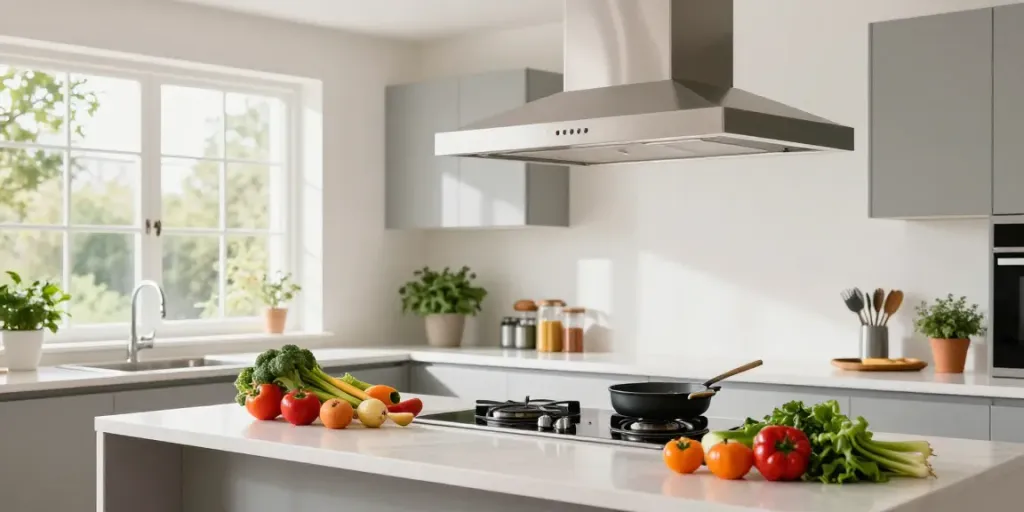
Understanding Island Cooker Hoods
Island cooker hoods are more than just kitchen appliances; they are a statement piece that combines style with functionality. Suspended over a kitchen island, these hoods serve the dual purpose of enhancing air quality and adding an aesthetic focal point to your cooking space. As we dive deeper into the world of island cooker hood, we’ll explore how they differ from chimney hoods, analyze their benefits, and understand their essential features.
What Is an Island Cooker Hood?
An island cooker hood is specifically designed to be mounted from the ceiling above a kitchen island, which is typically where the stove or cooktop is located. Unlike traditional chimney hoods that are attached to a wall and vent smoke and odors away from the kitchen, island hoods are mounted centrally and need to efficiently extract air from all directions, providing a 360-degree coverage.
Comparing Island Hoods and Chimney Hoods
When it comes to kitchen ventilation, understanding the differences between chimney hoods and island hoods is crucial. Here’s a quick breakdown:
- Chimney Hoods: These are wall-mounted and typically connect to a duct that leads outside. They are ideal for smaller kitchens or those with a more compact layout.
- Island Hoods: Designed for open kitchens, island hoods require more powerful extraction systems due to their central location. They often become a central design feature, showcasing modern aesthetics.
Benefits of Installing an Island Cooker Hood
Choosing to install an island cooker hood presents various advantages for homeowners:
- Enhanced Air Quality: These hoods effectively remove smoke, grease, and odors, promoting healthier indoor air.
- Design Appeal: Island hoods serve as visual anchors in open kitchens, providing style without compromising space.
- Versatility: With options for both ducted and ductless installations, island hoods can cater to a variety of kitchen configurations.
Features to Look for in an Island Cooker Hood
When investing in an island cooker hood, consider various features that enhance its performance and usability. Focus on these key elements:
Power and Suction Capacity
The power of your cooker hood is vital for efficient venting. For typical home cooking, a hood with a suction capacity between 550 m³/h to 700 m³/h is optimal. This ensures that it can handle heavy smoke and odors, especially if you frequently cook at high temperatures.
Energy Efficiency Ratings
Look for models with high energy efficiency ratings (A+ or above). Quality island hoods not only perform well but also save on energy consumption, which is beneficial for both the environment and your utility bills.
Advanced Filtration Technologies
Modern island hoods come equipped with innovative filtration systems such as Plasma⁺ and HEPA filters. These systems trap fine particles and unpleasant odors, ensuring clean air circulation in your kitchen.
Installation Guide for Island Cooker Hoods
Installing an island cooker hood can seem daunting, but with the right preparation and steps, it becomes manageable. Here’s a simple guide to help you through the process:
Preparing Your Kitchen for Installation
Before installation, assess your kitchen layout and the necessary ductwork. Ensure you have the right tools and equipment ready, and measure the dimensions of your space to find the most suitable hood.
Steps for Ductless Installation
- Attach the steel mounting plate to the ceiling joist for stability.
- Using adjustable steel cables, hang the hood at the ideal height, typically between 24 to 30 inches above the cooktop.
- Install the filters, including aluminum grease filters and activated carbon or HEPA filters.
- Connect the hood to a power source and pair it with any smart features.
- Test the system for proper airflow and illumination.
Common Installation Mistakes to Avoid
Here are some common pitfalls to avoid during installation:
- Not checking ceiling heights and dimensions, leading to an incorrect fit.
- Improper alignment of the ductwork or filters.
- Neglecting to follow the manufacturer’s installation instructions.
Comparative Performance Testing
To ensure you’re making the right choice, consider performance metrics that demonstrate how different island cooker hoods stack up against one another.
How CIARRA Compares to Competitors
CIARRA’s line of island cooker hoods has been rigorously tested and often outperforms many competitor models. For instance, their Smart Island Cooker Hood 48cm model removed approximately 86% of cooking odors within 15 minutes, showing superior efficiency in real-world conditions.
Real-World Performance Metrics
During testing, CIARRA hoods displayed remarkable grease capture efficiency, around 88% under heavy cooking conditions. This performance level is essential for maintaining a clean kitchen environment, particularly in open-plan layouts.
Consumer Satisfaction Insights
Feedback from users highlights satisfaction with CIARRA’s balance of suction power and noise level, which is particularly important for open kitchen designs where loud appliances can disrupt the ambiance.
Maintenance and Care of Island Cooker Hoods
Proper maintenance of your island cooker hood is crucial for long-term performance. Here are some essential care tips:
Cleaning Schedules and Techniques
Regular cleaning is essential to maintain the efficiency of your cooker hood. It’s recommended to clean the exterior and filters monthly, using mild detergents and warm water. For tougher grime, consider specialized cleaning solutions formulated for kitchen appliances.
When to Replace Filters
Keep an eye on the performance of your filters. Activated carbon filters should be replaced every six months to a year, depending on usage, while HEPA filters may last longer. Regular replacement ensures optimal air purification.
Ensuring Long-Term Performance
To extend the lifespan of your island cooker hood, avoid over-reliance on the appliance at maximum suction. Allow the hood to run at lower settings during lighter cooking tasks to reduce wear and tear.
Are Island Range Hoods Effective?
Yes, island range hoods are very effective, especially modern versions that incorporate advanced technologies. With robust suction capabilities and superior filtration methods, they effectively purify the air even in larger, open kitchen spaces.
What Are Some Good Hoods for Island Cooktops?
Some reputable options for island cooktops include CIARRA Smart Island Cookers and premium models from brands like Elica and Broan. Each offers unique features tailored to enhance functionality and design.
How Much Does It Cost to Install an Island Range Hood?
The installation cost can vary widely based on complexity, but average costs range from $300 to $1,000, depending on whether you opt for ducted or ductless installation and the labor involved.
Do You Need a Vent Hood Over an Island Stove?
Absolutely, a vent hood over an island stove is essential to prevent smoke, grease, and odors from permeating your home, particularly in open-concept designs where the kitchen merges seamlessly with living areas.
Conclusion
Choosing the right island cooker hood is an investment that enhances both functionality and aesthetic appeal in your kitchen. With countless options available, brands like CIARRA stand out for their innovative features, energy efficiency, and effective air purification systems. By understanding the necessary features, installation process, and maintenance strategies, you can enjoy a cleaner, more enjoyable cooking environment for years to come.