

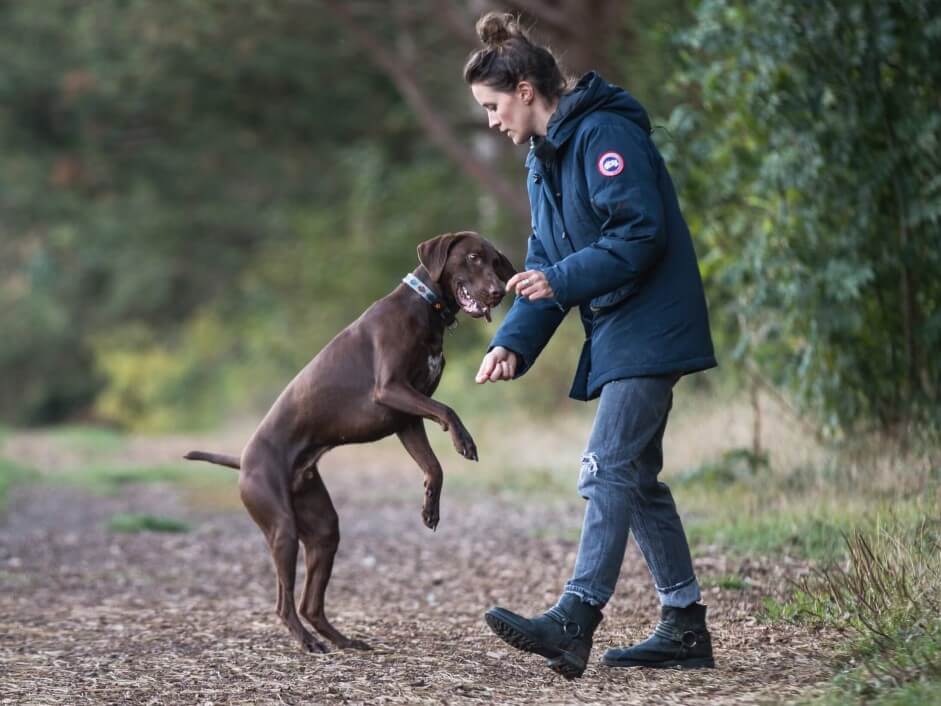
Bringing home a puppy is exciting, but daily walks can quickly become stressful when pulling, lunging, biting the leash, or constant distractions begin to take over. Many dog owners searching for puppy leash manners Scottsdale AZ are looking for practical ways to create calmer, safer, and more enjoyable walks while helping their puppy build confidence in busy environments.
Leash manners are not simply about teaching a puppy to walk beside a person. They are part of a larger communication system that shapes how a dog responds to stimulation, follows guidance, and develops self-control. Early leash training lays the groundwork for long-term obedience, public behavior, and positive social experiences.
At Rob’s Dog Training, the focus is on helping puppies learn through consistent structure, clear expectations, and real-world practice that supports lasting behavioral development.
- Why Early Leash Training Matters
- Common Puppy Leash Challenges
- The Foundation of Good Puppy Leash Manners
- Puppy Leash Manners Scottsdale AZ Dog Owners Often Overlook
- Creating Better Walks Through Structured Training
- Why Scottsdale Environments Require Reliable Leash Skills
- The Role of Confidence in Leash Training
- Socialization and Leash Manners Go Together
- Training Consistency at Home
- Signs Your Puppy Is Making Progress
- When Professional Puppy Training Helps
- Choosing the Right Training Approach
- Long-Term Benefits of Proper Puppy Leash Manners
- Final Thoughts
Why Early Leash Training Matters
Many owners wait until leash problems become frustrating before seeking help. However, leash manners are easier to develop during puppyhood, when behaviors and habits are still forming.
Poor leash habits can lead to:
- Excessive pulling
- Jumping on people
- Reactivity toward dogs or distractions
- Difficulty focusing outdoors
- Unsafe behavior near traffic
- Frustration for both dog and owner
Puppies naturally explore the world through movement and curiosity. Without guidance, they often learn that pulling gets them closer to what they want. Over time, those behaviors become stronger and more difficult to correct.
Teaching proper leash manners early helps puppies understand:
- How to stay engaged with their handler
- How to remain calm around distractions
- How to walk without tension on the leash
- How to respond to direction in unfamiliar environments
These lessons improve not only walks but also overall communication between owner and dog.
Common Puppy Leash Challenges
Every puppy learns differently, but several leash-related behaviors are especially common during early development.
Pulling Forward Constantly
Puppies are naturally curious. New smells, people, and movement encourage them to surge ahead. When owners unintentionally allow pulling to continue, puppies learn that tension on the leash is normal.
Biting or Tugging the Leash
Some puppies see the leash as a toy. This behavior often appears during excitement, overstimulation, or frustration.
Stopping Frequently
Young puppies may freeze, refuse to move, or become overwhelmed in unfamiliar environments. This is especially common during early socialization stages.
Overexcitement Around People or Dogs
Scottsdale’s parks, sidewalks, and pet-friendly areas provide many distractions. Puppies often become overstimulated when they have not yet learned impulse control.
Lack of Focus Outdoors
A puppy that responds well indoors may suddenly ignore commands outside. Environmental stimulation competes heavily for attention during early training.
Understanding these behaviors helps owners approach training with realistic expectations and structured solutions.
The Foundation of Good Puppy Leash Manners
Successful leash training begins before long walks ever happen. Puppies first need to understand engagement, reward timing, and calm behavior.
Building Attention First
A puppy that willingly checks in with its handler becomes easier to guide outdoors. Short exercises that reward eye contact and attention help establish communication before introducing difficult environments.
Introducing the Leash Positively
The leash should become associated with calm experiences rather than restraint or frustration. Allowing puppies to wear the leash indoors briefly while rewarding calm behavior helps reduce resistance.
Teaching Pressure and Release
Many puppies instinctively pull against leash tension. Proper training teaches them that moving with the leash—not against it—creates comfort and reward opportunities.
Rewarding Desired Positioning
Rather than correcting mistakes constantly, effective leash training focuses heavily on reinforcing the puppy for staying near the handler voluntarily.
Consistency during these early stages helps prevent confusion and reduces stress during outdoor sessions.
Puppy Leash Manners Scottsdale AZ Dog Owners Often Overlook
Many owners unknowingly reinforce poor leash behavior without realizing it.
Moving Forward While the Puppy Pulls
If pulling consistently results in access to smells, movement, or excitement, the puppy learns that pulling works.
Using Walks Only for Exercise
Walks are also training opportunities. Puppies need guidance and structure, not just physical activity.
Expecting Too Much Too Soon
Young puppies have short attention spans. Long walks in crowded areas often create frustration and overstimulation.
Inconsistent Rules
Allowing pulling sometimes while correcting it at other times creates mixed signals. Puppies learn faster when expectations remain clear.
Skipping Mental Engagement
Mental stimulation is equally important during walks. Puppies that focus only on the environment often struggle to remain connected to their handler.
Recognizing these common mistakes helps owners build more productive routines.
Creating Better Walks Through Structured Training
Professional training approaches focus on creating reliable behaviors gradually instead of forcing immediate perfection.
Step 1: Start in Low-Distraction Areas
Quiet neighborhoods, indoor spaces, or calm sidewalks help puppies learn without becoming overwhelmed.
Step 2: Keep Sessions Short
Young puppies benefit from multiple short training sessions rather than one long walk.
Step 3: Reinforce Calm Behavior Frequently
Rewarding calm walking, engagement, and focus teaches puppies exactly what behaviors are expected.
Step 4: Introduce Distractions Slowly
As the puppy improves, controlled exposure to busier environments builds confidence and reliability.
Step 5: Practice Consistently
Leash manners improve through repetition and structure. Consistent practice helps puppies generalize behaviors across different settings.
Owners who approach leash training patiently often see stronger long-term results.
Why Scottsdale Environments Require Reliable Leash Skills
Scottsdale offers many dog-friendly locations, outdoor shopping areas, parks, and walking trails. While these spaces are enjoyable, they also introduce distractions that can challenge inexperienced puppies.
Busy environments may include:
- Joggers
- Cyclists
- Other dogs
- Wildlife
- Outdoor dining areas
- Traffic noise
- Crowded walkways
Without proper leash manners, puppies may become overstimulated or difficult to manage in these situations.
Teaching calm behavior early helps puppies adapt more successfully to Scottsdale’s active lifestyle while improving public safety and confidence.
The Role of Confidence in Leash Training
Not all leash issues stem from excitement. Some puppies struggle because they feel uncertain or anxious outdoors.
Fearful puppies may:
- Refuse to walk
- Hide behind owners
- React defensively
- Become hyper-alert
- Panic in noisy environments
Confidence-building exercises are an important part of leash training. Structured exposure, calm leadership, and positive reinforcement help puppies feel safer while exploring new places.
Professional training programs often focus on both obedience and emotional stability rather than treating leash manners as a purely mechanical skill.
Socialization and Leash Manners Go Together
Proper socialization is not simply exposing puppies to as many things as possible. It involves teaching them how to remain calm and responsive while experiencing new situations.
A puppy that pulls wildly toward every dog or person is not demonstrating healthy social behavior. Instead, the puppy is often displaying poor impulse control and over-arousal.
Balanced leash training teaches puppies:
- Neutrality around distractions
- Calm observation
- Controlled greetings
- Focus on the handler
- Appropriate responses in stimulating environments
These skills support safer and more enjoyable public outings throughout adulthood.
Training Consistency at Home
Even excellent professional training requires consistency from owners between sessions.
Helpful daily habits include:
- Practicing short leash drills indoors
- Reinforcing calm doorway behavior
- Rewarding attention voluntarily offered by the puppy
- Maintaining consistent walking expectations
- Avoiding accidental reinforcement of pulling
Small daily repetitions often create major behavioral improvements over time.
Signs Your Puppy Is Making Progress
Many owners expect immediate results, but leash training develops gradually. Positive progress often appears in smaller milestones first.
Common improvement signs include:
- Reduced leash tension
- More frequent check-ins
- Faster response to direction
- Improved recovery after distractions
- Longer periods of calm walking
- Better focus outdoors
These early improvements indicate that communication and engagement are strengthening.
When Professional Puppy Training Helps
Some leash challenges become difficult for owners to resolve alone, especially when frustration, inconsistency, or overstimulation are involved.
Professional guidance can help when:
- Pulling becomes excessive
- Puppies ignore commands outdoors
- Reactivity begins developing
- Walks feel stressful
- Owners feel uncertain about training methods
- Puppies struggle with focus or confidence
Experienced trainers can identify the root causes behind leash issues and create structured programs tailored to the puppy’s developmental stage.
Working with professionals also helps owners improve timing, communication, and consistency during training sessions.
Choosing the Right Training Approach
Not all leash training methods produce long-term success. Effective puppy training focuses on communication, clarity, and behavioral understanding rather than relying solely on correction.
Strong training programs typically include:
- Age-appropriate expectations
- Structured progression
- Real-world practice
- Owner education
- Confidence-building exercises
- Consistent reinforcement
Puppies learn best when training is fair, predictable, and clearly communicated.
Long-Term Benefits of Proper Puppy Leash Manners
Good leash manners create benefits that extend far beyond daily walks.
Dogs with reliable leash behavior often experience:
- Greater public access opportunities
- Reduced stress during outings
- Improved obedience overall
- Better impulse control
- Safer interactions with people and dogs
- Stronger owner relationships
These outcomes contribute to a more enjoyable and manageable life for both the dog and the owner.
Final Thoughts
Teaching proper puppy leash manners Scottsdale AZ owners can rely on takes patience, structure, and consistency. Puppies are constantly learning from every walk, interaction, and response from their handler. Early guidance helps prevent bad habits from becoming long-term behavioral problems.
Successful leash training is not about forcing obedience. It is about building communication, trust, focus, and calm behavior in real-world situations. Puppies that develop these skills early are better prepared to handle Scottsdale’s active environments with confidence and control.
At Rob’s Dog Training, structured puppy training programs help owners create calmer walks, stronger relationships, and more reliable behavior that continues well beyond puppyhood.


