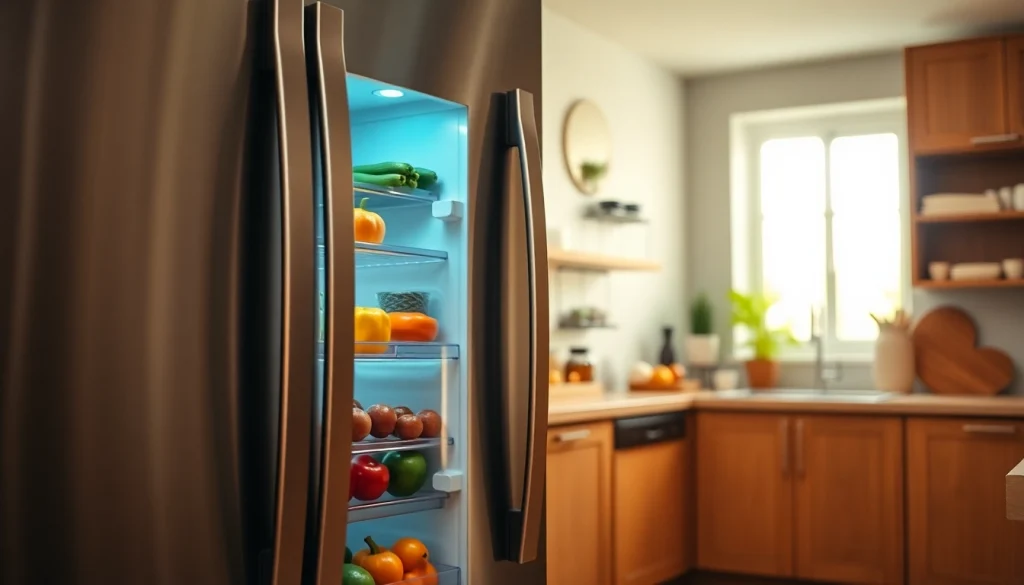
When it comes to keeping food fresh and beverages cold, a quality refrigerator is an essential appliance for any home. With advancements in technology and a variety of styles available, selecting the right refrigerator can be both exciting and overwhelming. This comprehensive guide will help you understand the basics of refrigerators, how to choose the right one for your needs, and tips for maintaining it for longevity.
Understanding the Basics of a Refrigerator
What is a refrigerator?
A refrigerator, commonly referred to as a fridge, is an appliance designed to keep food and beverages cool by removing heat. By utilizing thermally insulated compartments and advanced cooling technology, refrigerators can maintain a low-temperature environment ideal for food storage. Modern refrigerators come equipped with features such as adjustable shelves, crispers for fruits and vegetables, and sometimes even built-in water and ice dispensers. Understanding how a refrigerator operates can help you appreciate its importance in kitchen functionality.
Common types of refrigerator
There are several types of refrigerators, each designed with unique features and styles to cater to different needs. Here are the most common types:
- Top-Freezer Refrigerators: This traditional style allows easy access to the refrigerator section while the freezer is located above. It is often budget-friendly and widely available.
- Bottom-Freezer Refrigerators: In this design, the freezer is located at the bottom, making frequently-used items more accessible. This model often offers more storage capacity for fresh foods.
- Side-by-Side Refrigerators: These refrigerators feature two doors side by side, with the refrigerator on one side and the freezer on the other. They often include water dispensers and allow for easy access to both sections.
- French Door Refrigerators: Combining a bottom freezer with double doors for the refrigerator, this style provides a spacious layout, ideal for families and avid cooks.
- Compact Refrigerators: Smaller in size and designed for limited spaces, compact refrigerators are suitable for dorm rooms, offices, or as secondary fridges.
Key features to consider
When choosing a refrigerator, consider these key features:
- Energy Efficiency: Look for models with energy-efficient ratings, which can save you money on utility bills over time.
- Storage Space: Evaluate the refrigerator’s capacity in terms of cubic feet to ensure it meets your storage needs.
- Temperature Management: Digital controls and multi-zone cooling systems can help maintain optimal temperatures for different types of food.
- Ice and Water Dispenser: Many modern refrigerators come with built-in dispensers for convenience, but these can impact storage space.
- Smart Technology: Features such as Wi-Fi connectivity, internal cameras, and advanced apps can enhance your refrigerator’s functionality.
How to Select the Right Refrigerator for Your Needs
Evaluating size and space
The first step in selecting the right refrigerator is assessing the space available in your kitchen. Measure the height, width, and depth of the area where the refrigerator will go to ensure a proper fit. Additionally, consider the clearances needed for airflow. If you have a small kitchen, opt for a compact or counter-depth model to prevent overcrowding.
Assessing energy efficiency
Energy efficiency is a crucial factor when choosing a refrigerator. Look for the ENERGY STAR label, which signifies that the appliance meets energy efficiency guidelines set by the U.S. Environmental Protection Agency. Energy-efficient models consume less electricity and may save you significant money on your energy bill in the long run.
Considering style and design
The style and design of the refrigerator should complement your kitchen décor. Options range from stainless steel finishes, which provide a modern sleek look, to colorful retro designs that add a pop of personality. Consider the layout and how the refrigerator’s design will integrate with other appliances and cabinetry.
Maintaining Your Refrigerator for Longevity
Regular cleaning and upkeep
To ensure your refrigerator operates effectively over time, regular maintenance is essential. Schedule seasonal cleanings to remove dust and debris from coils, which can help maintain efficient cooling. Regularly check and replace water filters as needed if your refrigerator has a water dispenser. Additionally, defrost the freezer if icicles or frost build-up occurs.
Power saving tips
There are several ways to save energy with your refrigerator:
- Keep the refrigerator door closed as much as possible to maintain internal temperatures.
- Avoid placing hot foods directly inside; let them cool to room temperature first.
- Organize the contents to ensure air circulation; consider using clear bins for easy access.
- Set the temperature to the recommended settings, typically around 37°F for the refrigerator and 0°F for the freezer.
Common issues and troubleshooting
Understanding common refrigerator issues can help you troubleshoot effectively:
- Not cooling properly: Check the temperature settings, ensure vents are not blocked, and inspect the door seals for damage.
- Funny noises: Noises can stem from a malfunctioning fan or compressor. Ensure the refrigerator is level and that nothing is obstructing the fan blades.
- Leaks: Water pooling can be caused by clogged defrost drains or damaged water lines.
Features and Technologies in Modern Refrigerators
Smart refrigerator technology
Smart refrigerators are revolutionizing kitchen experiences by incorporating Wi-Fi connectivity. Users can control temperatures, receive alerts, and monitor food inventories directly from their smartphones. Some models even have touchscreen interfaces that allow you to create shopping lists or access recipes.
Advanced cooling systems
Modern cooling systems utilize advanced technologies such as dual evaporators, which help maintain ideal humidity levels within different compartments. This ensures that fruits, vegetables, and dairy products remain fresh for longer.
Customization options
Many contemporary refrigerators offer customization features, allowing users to adjust shelving and storage configurations to fit their specific needs. Options such as adjustable door bins and removable shelves make it easier to accommodate items of various sizes.
Frequently Asked Questions about Refrigerators
What is the average lifespan of a refrigerator?
The average lifespan of a refrigerator is typically between 10 to 20 years, depending on the model and maintenance. Regular cleaning and upkeep can enhance longevity.
How can I save on refrigerator energy costs?
Choose energy-efficient models, maintain clean coils, and avoid keeping the door open unnecessarily. Setting the right temperature can also help minimize energy costs.
What should I do if my refrigerator is not cooling?
If your refrigerator is not cooling, check the power source, inspect the door seals, and ensure vents are not blocked. If issues persist, consult a technician for assessment.
Are there special refrigerators for small spaces?
Yes, compact and counter-depth options are designed specifically for small spaces. These models provide essential cooling capabilities while maximizing available space.
What features make a refrigerator worth the investment?
Look for energy efficiency, advanced cooling technology, smart features, and customizable storage. These attributes can enhance convenience and functionality, making your purchase worthwhile.