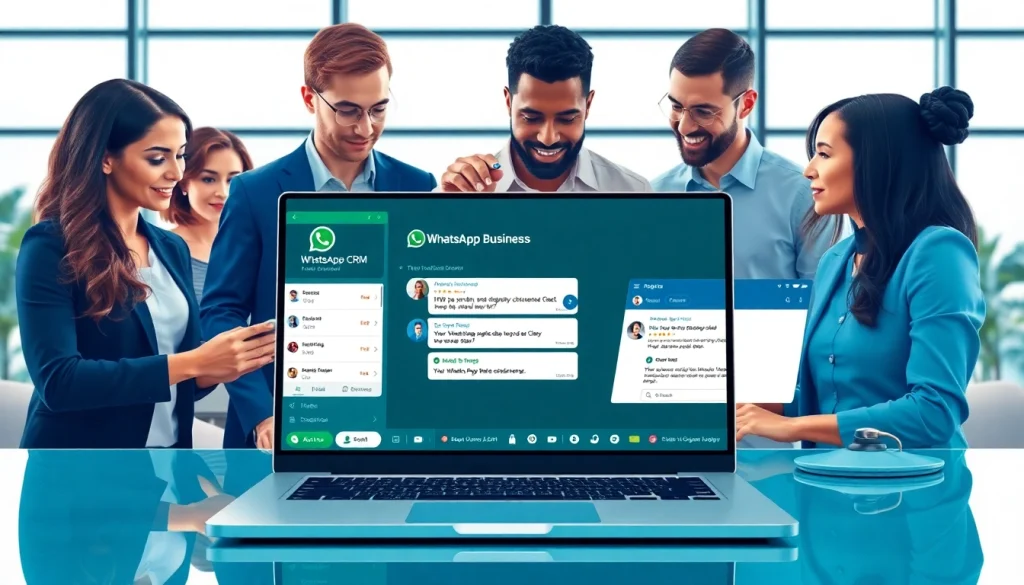
Understanding WhatsApp Business CRM
What is WhatsApp Business CRM?
In a rapidly evolving digital landscape, customer relationship management (CRM) tools play a critical role in how businesses communicate with their clients. One of the most innovative solutions in this space is the WhatsApp Business CRM, which integrates the popular messaging application WhatsApp into the CRM ecosystem. This integration allows businesses to manage customer interactions directly from their CRM, providing a seamless communication platform that enhances customer experience and relationship management.
WhatsApp Business CRM empowers businesses with tools to harness the vast user base of WhatsApp, facilitating a direct line of communication with customers. Through this system, businesses can automate responses, track interactions, manage leads, and analyze communication data, all from a single interface. This not only streamlines the communication process but also increases efficiency and accountability among teams.
Key Features and Benefits of WhatsApp Business CRM
WhatsApp Business CRM systems come with a range of features designed to optimize customer interactions. Key features include:
- Automated Messaging: Businesses can automate responses to frequently asked questions, ensuring quick and efficient service.
- Centralized Communication: All customer interactions via WhatsApp are stored in one place, making it easy to track and manage conversations.
- Real-Time Insights: Analytics tools provide real-time data on customer engagement and satisfaction, allowing businesses to adapt their strategies effectively.
- Integration with Other Tools: The ability to integrate with other CRM tools and marketing platforms enhances the overall functionality of the system.
- Multi-User Access: Teams can collaborate on customer interactions without stepping on each other’s toes, increasing transparency and improving customer service.
The benefits of utilizing a WhatsApp Business CRM are substantial. It enhances customer engagement through timely responses and personalized communication, reduces operational costs with automation, and ultimately drives higher customer satisfaction and retention rates.
Who Can Benefit from WhatsApp Business CRM?
The WhatsApp Business CRM is not limited to any specific industry; rather, it is versatile enough to aid various sectors. Small businesses can significantly benefit by using it to maintain close ties with their customer base, improving loyalty and fostering a more personal connection. For larger enterprises, the CRM provides higher scalability, making it easier to handle vast volumes of customer inquiries while maintaining a unified approach.
Additionally, service-oriented industries such as hospitality, health care, and retail find immense value in WhatsApp Business CRM, as it enhances their customer service capabilities. In these fields, responsive communication is key to maintaining service quality and operational efficiency.
Integrating WhatsApp Business CRM into Your Business
Steps for Effective Integration
Integrating WhatsApp Business CRM into your business can be straightforward if approached methodically. Here are steps to follow for effective integration:
- Define Objectives: Clearly define what you hope to achieve with WhatsApp integration. Establishing specific goals will guide the implementation process.
- Choose the Right Platform: Select a WhatsApp Business CRM solution that aligns with your business needs and objectives. Consider factors like scalability and compatibility with existing systems.
- Set Up Your WhatsApp Business Account: Create or convert an existing WhatsApp account to a business account, complete with essential information such as your business name, address, and profile picture.
- Work on API Integration: Utilize the WhatsApp Business API to connect your messaging service with your CRM system. This step is crucial for syncing data between the two platforms.
- Train Your Team: Provide your employees with the necessary training to effectively use the new system. Ensure they are familiar with both the CRM functionalities and WhatsApp processes.
- Monitor and Adjust: After implementation, continually monitor the system’s performance and gather feedback from users to make the necessary adjustments for optimization.
Common Integration Challenges and Solutions
While integrating WhatsApp Business CRM can significantly benefit a business, it does come with challenges. Some common challenges include:
- Technical Issues: Integration can sometimes result in technical glitches. Solution: Invest in a knowledgeable IT team or consult with experts in CRM integrations.
- User Adoption: Employees may resist adapting to a new system. Solution: Providing comprehensive training can help ease the transition and boost confidence in using the system.
- Data Management: Keeping customer data organized can be tricky. Solution: Make it a habit to regularly clean and update the database to prevent clutter and maintain efficiency.
Tools and Platforms Supporting WhatsApp Business CRM
A variety of tools and platforms support the integration of WhatsApp Business CRM. These include customer engagement platforms, chatbots, and marketing automation solutions that offer WhatsApp integration features. By leveraging these tools, businesses can enhance their WhatsApp capabilities, providing a more comprehensive customer experience.
Best Practices for Using WhatsApp Business CRM
Strategies for Enhanced Customer Communication
To get the most out of your WhatsApp Business CRM, consider these best practices aimed at enhancing customer communication:
- Personalization: Use customer data to personalize interactions, which can lead to stronger relationships.
- Timely Responses: Aim to respond to customer inquiries as quickly as possible, as prompt communication can significantly impact customer satisfaction.
- Utilize Multimedia: Don’t limit communication to text; use images, videos, and voice messages to engage customers more effectively.
- Regular Updates: Keep your customers informed with updates on products, services, promotions, or important announcements.
- Feedback Collection: Encourage customers to share their feedback. Use this information to make informed improvements to your service.
Measuring Engagement and Success
Understanding the effectiveness of your WhatsApp Business CRM requires tracking performance metrics. Key metrics to assess include:
- Response Time: Measure how quickly teams respond to customer inquiries.
- Customer Satisfaction Score (CSAT): Gather feedback post-interaction to gauge customer satisfaction.
- Engagement Rates: Analyze how frequently customers interact with messages sent via WhatsApp.
- Conversion Rates: Track how many interactions result in sales or desired customer actions.
Maintaining Data Privacy and Security in WhatsApp Business CRM
As with any digital communication platform, data privacy and security should be a top priority when using WhatsApp Business CRM. To ensure compliance with data protection regulations, follow these best practices:
- Data Encryption: Use encryption technologies to protect sensitive customer data during transmission.
- Regular Audits: Conduct regular audits of your data protection practices to identify potential vulnerabilities.
- User Consent: Ensure customers give explicit consent before collecting or using their personal information.
- Employee Training: Educate staff on data privacy policies and the importance of safeguarding customer information.
Case Studies of Successful WhatsApp Business CRM Implementation
Small Businesses Leveraging WhatsApp Business CRM
Small businesses can vastly improve customer engagement through the implementation of WhatsApp Business CRM. For instance, a local cafe that uses WhatsApp to take orders and respond to customer questions reported a 40% increase in customer retention after integrating the application into their service model. By personalizing communication and providing quick service, they were able to create more value for customers.
Large Enterprises and Their Experiences
Larger organizations can also leverage WhatsApp Business CRM effectively. A retail chain that implemented WhatsApp for customer inquiries and support found that the system drastically reduced response times and improved overall customer satisfaction ratings. By combining the power of a widely-used messaging platform with a robust CRM, they were able to streamline their customer engagement processes across multiple channels.
Lessons Learned from Various Industries
Across various industries, key lessons learned from implementing WhatsApp Business CRM include:
- Adaptability: Successful companies were those that remained flexible to adjust their approach based on customer feedback and engagement data.
- Integration with Existing Systems: Businesses that integrated WhatsApp seamlessly with their existing CRM solutions reported higher satisfaction levels and improved efficiency.
- Focusing on Customer Experience: Prioritizing customer experience over purely transactional interactions led to more loyal customers and improved brand reputation.
The Future of Customer Relationship Management with WhatsApp Business CRM
Trends Shaping the Future of CRM
The landscape of customer relationship management is continually evolving, and WhatsApp Business CRM is at the forefront of this change. Notable trends shaping this future include:
- AI Integration: The incorporation of artificial intelligence into CRMs is set to revolutionize customer interactions by enabling predictive analytics and optimized customer engagements.
- Omnichannel Experiences: Customers expect seamless interactions across multiple channels, necessitating a unified approach that combines WhatsApp with other digital touchpoints.
- Increased Automation: Enhanced automation capabilities will allow businesses to handle larger volumes of communications without sacrificing quality.
Innovations and Upcoming Features
With an ever-evolving technological landscape, WhatsApp Business CRM is expected to introduce innovative features that further enhance user experience, such as:
- Enhanced Multimedia Messaging: As messaging evolves, users will see more multimedia functionalities that allow for richer communication.
- Better Integration with Third-Party Tools: Future updates will likely include improved integration capabilities with popular business software for enhanced workflows.
- Advanced Analytics: Businesses will benefit from more sophisticated analytics options that provide deeper insights into customer behavior.
Preparing Your Business for Changes in Customer Engagement
To prepare for changes in customer engagement through WhatsApp Business CRM, businesses should focus on strategies like continual training for staff on new technologies, staying updated with industry trends, and always being open to feedback from customers. This proactive approach will ensure smoother transitions during periods of change and will help maintain strong customer relationships.